
Treatment for Warts in Salt Lake City and South Jordan
Wart Removal Treatment
Warts can be painful, contagious, and stubbornly persistent. Whether you have a small growth on your finger that catches on clothing or a painful plantar wart on your foot making every step uncomfortable, you aren’t alone. Warts are incredibly common yet remain among the most frustrating skin conditions to treat at home.
While many people attempt to wait them out, hoping they’ll disappear on their own, this approach can take years. If you’re looking for effective wart removal treatment, Swinyer Woseth Dermatology offers advanced solutions to help you achieve clear, healthy skin.
What Are Warts?
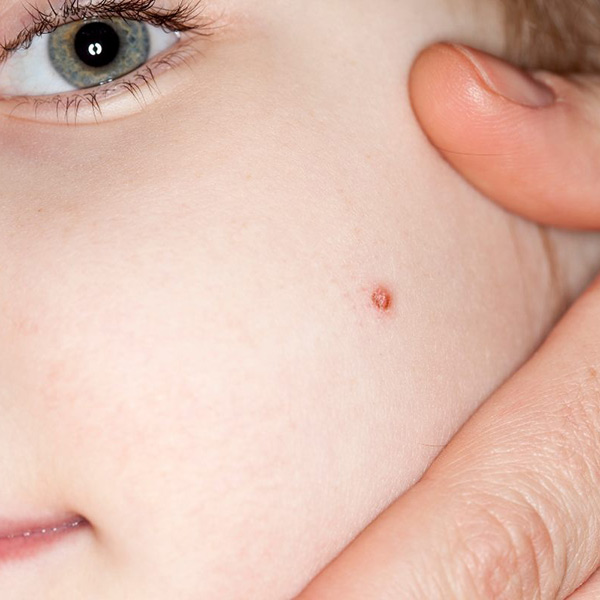
Warts are non-cancerous skin growths caused by the human papillomavirus (HPV). The virus invades the top layer of the skin, usually through tiny cuts or scratches, causing cells to grow rapidly on the surface. This rapid growth creates the raised, rough bump we recognize as a wart.
It’s important to understand that warts are contagious. You can contract the virus by touching a wart on someone else’s body or by coming into contact with surfaces that have been exposed to the virus, such as towels, floors, locker rooms, or swimming pool decks.
Once you have the virus, warts can be tricky to eliminate. According to the American Academy of Dermatology, most warts will eventually resolve on their own, but this process can take up to two years. Because the immune system is the only true cure, professional treatments are designed to aid your body’s natural defenses in recognizing and fighting the virus more effectively.
Common Types of Warts We Treat
Not all warts look or feel the same. The strain of HPV and the location on the body determine the type of wart you have. Common types of warts we treat include:
- Common Warts – These most often appear on the hands, especially around the fingernails or on the backs of the hands. They typically have a rough, grainy texture and are dome-shaped. Common warts may appear grayish-brown and can feature tiny black dots, which are actually small, clotted blood vessels.
- Plantar Warts – Found on the soles of the feet, plantar warts can be particularly painful because the pressure of walking forces them to grow inward. They often look like thick, hard calluses with a small central point. Because they grow deep into the skin, natural wart treatment methods often fail to reach the root of the problem.
- Flat Warts – These are generally smaller and smoother than other types. They tend to grow in large numbers, sometimes 20 to 100 at a time. Flat warts can appear anywhere, but are most often found on the face (in children), the beard area (in men), and the legs (in women).
- Filiform Warts – These fast-growing warts look like long threads or spiky projections. They often appear on the face around the mouth, eyes, or nose. Because of their delicate location and appearance, professional removal is almost always recommended over home remedies.
Our Professional Wart Treatment Options
At Swinyer Woseth Dermatology, we conduct a thorough evaluation to determine which method will be most effective for your specific care. Our professional wart treatment options include:
- Cryotherapy – Liquid nitrogen is applied to the wart to freeze it. This extremely cold temperature destroys the wart tissue, creating a blister around it. As the skin heals, the dead tissue sloughs off. Cryotherapy also stimulates the local immune system to fight the viral infection.
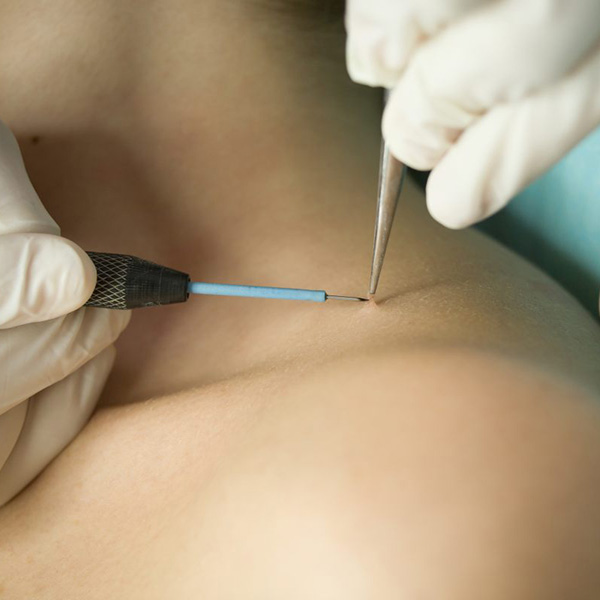
- Electrosurgery and Curettage – This method involves burning the wart (cautery) and scraping it off. It’s often used for filiform warts and common warts. The area is numbed first to ensure the procedure is as comfortable as possible.
- Injection Therapy – For stubborn warts that have not responded to other therapies, your dermatologist may use injections. This can involve injecting medicine directly into the wart to kill the virus or injecting antigens to stimulate the immune system to attack the HPV virus.
- Topical Prescription Treatments – Your dermatologist can prescribe stronger peeling agents than those available over the counter. These often include salicylic acid, cantharidin, or other immune-boosting creams that are applied in the office.
Why Over-the-Counter Treatments Often Fail
Walk into any pharmacy in the Salt Lake City area, and you’ll see shelves stocked with gels, pads, and freezing kits promising quick results. While these products can work for small, new warts, they often fall short for established or deep-rooted growths.
Most over-the-counter (OTC) products use salicylic acid to burn off the wart layer by layer. The problem is that these treatments can damage the healthy skin surrounding the wart, leading to pain and scarring without actually killing the virus. Additionally, OTC freezing kits are generally not cold enough to effectively destroy the virus in deeper tissue. They might remove the wart’s top layer, but if the root remains, the wart will simply grow back.
What to Expect During Wart Removal Laser Treatment
For warts that are particularly resistant to freezing or chemical treatments, wart removal laser treatment is a powerful alternative. This method uses focused light energy to target the blood vessels feeding the wart. By cutting off the blood supply, the laser treatment for warts effectively starves the virus, causing the tissue to die and fall off.
The treatment is relatively quick. You may feel a sensation familiar to a rubber band snapping against the skin. Depending on the wart’s size and location, a local anesthetic may be used to minimize discomfort.
After the laser session, the area may be sore for a few days. The treated area will likely form a scab, which shouldn’t be picked. Healing times vary, but most patients see significant improvement after one or two sessions, though stubborn warts may require a series of treatments.
When to See a Dermatologist for Warts
While waiting for a wart to disappear on its own is an option, there are times when seeking professional help is the best course of action. You should schedule an appointment if:
- The Wart Is Painful – If a wart hurts when you press on it or interferes with daily activities like walking or writing, it needs to be treated.
- The Appearance Changes – If the wart changes color, bleeds, or looks infected, see a doctor immediately.
- You Have a Weakened Immune System – Patients with diabetes or immune deficiencies should never try to treat warts at home, as this can lead to serious infections.
- Home Treatments Have Failed – If you’ve tried natural wart treatment or OTC options for several months with no change, professional intervention is necessary.
- The Warts Are Spreading – If you notice new warts appearing near the original one or on other parts of your body, the virus is active and spreading.
- The Location Is Sensitive – Warts on the face, genitals, or near fingernails require delicate, professional care to avoid scarring or permanent damage.
Get Rid of Stubborn Warts for Good
Warts can be stubborn, but they don’t have to be permanent. Whether you’re dealing with a single common wart or a cluster of plantar warts, our team at Swinyer Woseth Dermatology has the knowledge and technology to help. By choosing professional wart removal treatment, you’re choosing a faster, safer, and more effective path to recovery. Contact us today to schedule an appointment.