
Actinic Keratosis
Actinic Keratosis Treatment in Salt Lake City, UT
Many of us know that too much sun exposure can cause cancer. However, that isn’t the only skin condition that stems from being out in the sun for too long. Actinic keratosis is a rough, scaly patch that develops on sun-damaged skin. While these lesions aren’t cancer by themselves, they’re often considered precancerous because they can develop into certain types of skin cancer. Understanding the signs, causes, and treatment options for actinic keratosis in Salt Lake City can help protect your skin health and reduce the risk of complications. The team at Swinyer Woseth Dermatology is always here to answer your questions.
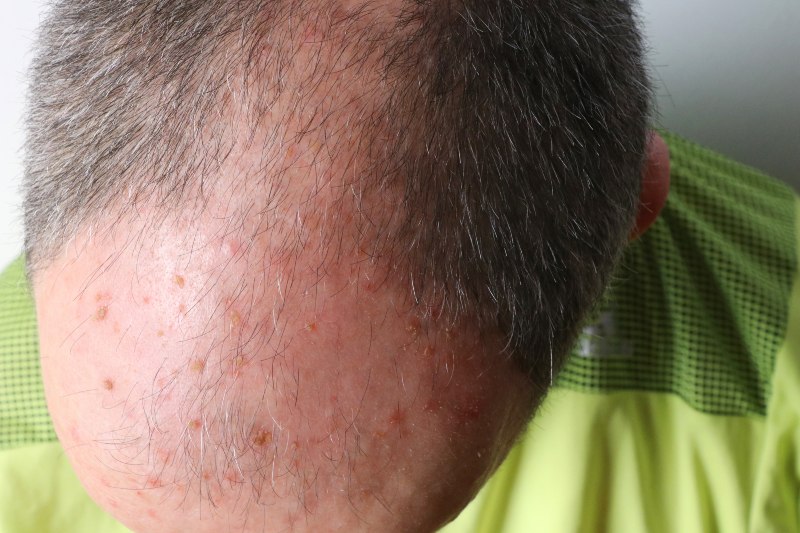
What Is Actinic Keratosis?
Actinic keratosis is a precancerous skin lesion that develops when skin cells are damaged by years of ultraviolet radiation from the sun or tanning beds. These lesions often appear as small, rough patches that may be easier to feel than see. They might feel like sandpaper and can sometimes itch, burn, or feel tender. While actinic keratosis can develop almost anywhere, these are the most common sites:
- Face
- Scalp
- Ears
- Neck
- Forearms
- Hands
- Shoulders
Why Actinic Keratosis Develops
The primary cause of actinic keratosis is long-term UV exposure. UV radiation can weaken the skin’s natural repair mechanisms, increasing the likelihood of developing sun damage skin lesions such as actinic keratosis, as well as other forms of skin damage and skin cancer. Over time, UV rays damage the DNA within skin cells and cause abnormal growth in the skin’s surface. As these damaged cells accumulate, actinic keratosis lesions can form.
The Difference Between Actinic Keratosis and Other Conditions
Actinic keratosis can resemble eczema, psoriasis, age spots, or other skin conditions. However, these lesions often have a distinct rough texture and occur in sun-exposed areas. The Swinyer Woseth Dermatology team can evaluate suspicious spots and determine whether they’re actinic keratoses or another skin condition.
Risk Factors for Developing Precancerous Skin Lesions
While sun exposure is the most common culprit of rough, scaly skin patches, some people are simply at higher risk of actinic keratosis. Be sure to pay attention to your skin if you have one of these risk factors:
- Fair skin, light hair, or light-colored eyes
- History of frequent sunburns
- Extensive outdoor exposure
- Frequent use of tanning beds
- Advanced age
- Weakened immune system
- Personal history of skin cancer
Is Actinic Keratosis Skin Cancer?
Actinic keratosis and skin cancer are sometimes discussed together. While actinic keratosis isn’t cancer in itself, it is considered precancerous, and abnormal skin cells have the potential to become cancerous over time. While not every lesion becomes cancerous, early diagnosis and treatment are important to reduce the risk and maintain healthy skin.
How to Treat Actinic Keratosis
If you’re worried about this precancerous condition, it may be time to seek actinic keratosis treatment. Fortunately, you have several options for addressing sun-damaged skin spots, and our team is here to create a personalized treatment plan. We might take one of these approaches:
- Cryotherapy—Cryotherapy is among the most common treatments for actinic keratosis. During the procedure, liquid nitrogen is applied to freeze and destroy abnormal cells. The lesion eventually crusts, peels away, and is replaced by new skin.
- Topical Medications—Prescription creams and gels target damaged skin cells and can treat both visible lesions and areas of underlying sun damage.
- Other Keratosis Treatments—Some people benefit from other approaches to keratosis treatment, including chemical peels, laser treatments, and photodynamic therapy.
Preventing Future Sun Damage Skin Lesions
You may not always be able to reverse sun damage, but you can take steps to avoid further UV exposure. Here are a few ways to keep your skin protected, even when the sun’s at its strongest:
- Apply broad-spectrum SPF 30 or higher sunscreen
- Wear protective clothing and wide-brimmed hats
- Seek shade during peak sunlight hours
- Wear UV-blocking sunglasses
- Avoid indoor tanning beds
- Reapply sunscreen every two hours when outdoors
- Visit an actinic keratosis dermatologist regularly
Schedule a Skin Exam With Swinyer Woseth Dermatology
Don’t skip your next skin exam! At Swinyer Woseth Dermatology, we’re here to help Salt Lake City and South Jordan, UT patients protect their skin, even under the summer sun. If you notice any suspicious lesions, schedule an appointment with one of our dermatologists right away. Just a single appointment may be all it takes to catch the problem before it becomes cancerous.
FAQs About Actinic Keratosis
Actinic keratosis is a precancerous skin lesion caused by long-term ultraviolet damage. It typically appears as a rough, scaly patch on sun-exposed skin.
No. Rough or scaly patches can result from various skin conditions, including eczema, psoriasis, dermatitis, or fungal infections. Your dermatologist can provide an accurate diagnosis.
Some lesions may temporarily disappear, but they often return if the underlying sun damage isn’t addressed. When in doubt, see a professional at Swinyer Woseth Dermatology.
Cryotherapy, which uses liquid nitrogen to freeze and destroy abnormal cells, is one of the most frequently used treatments for individual lesions.
Not all sun-damaged spots are dangerous, but some may be precancerous or cancerous. If you have any changing, bleeding, persistent, or suspicious lesions, see a dermatologist.
You should see a dermatologist if you notice rough, scaly patches that persist, grow, become painful, bleed, or fail to heal. Early diagnosis and treatment can help prevent progression to skin cancer.