
Seborrheic Dermatitis
Seborrheic Dermatitis Treatment in Salt Lake City, UT
Most of us have had a bit of dandruff before. The condition isn’t usually serious and only means we’re using the wrong hair care products. However, if your dandruff is persistent, you might be dealing with a deeper issue known as seborrheic dermatitis. It’s an inflammatory skin condition that causes redness, scaling, itching, and persistent flaking across many areas of the body. The good news is that seborrheic dermatitis is treatable, and the team at Swinyer Woseth Dermatology can help. Learn more about this condition and how dandruff treatment can help your overall scalp health.
What Is Seborrheic Dermatitis?
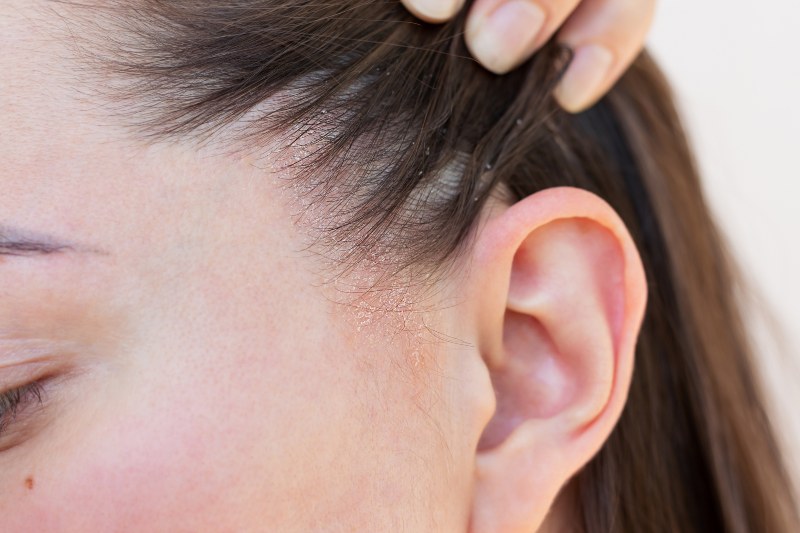
Seborrheic dermatitis is more than just your run-of-the-mill dandruff. It’s a long-term skin disorder that affects areas rich in sebaceous (oil-producing) glands. The condition can range from mild dandruff to more severe, persistent inflammation that requires medical treatment. Although it’s not dangerous, seborrheic dermatitis is different from ordinary dry skin. Dry skin typically results from a lack of moisture and often presents with fine, dry flakes. Seborrheic dermatitis, on the other hand, involves inflammation and excess oil production, leading to larger, greasy-looking scales that may appear yellowish or white. People with this condition often report symptoms in these areas:
- The scalp
- Eyebrows
- Sides of the nose
- Behind the ears
- Beard area
- Upper chest
- Upper back
Is Dandruff the Same as Seborrheic Dermatitis?
Dandruff and seborrheic dermatitis are closely related, but they’re not exactly the same. Dandruff is generally considered a mild form of seborrheic dermatitis that affects the scalp. It causes flaking without significant redness or inflammation. Many cases can be managed with over-the-counter anti-dandruff shampoos. Should your dandruff become painful or difficult to control, it may be time to see a specialized dandruff dermatologist.
Signs and Symptoms of Seborrheic Dermatitis
Seborrheic dermatitis can present differently from person to person. Some people experience mild flaking, while others deal with lots of inflammation and discomfort. Get to know some of the most prevalent symptoms:
- Scalp Dermatitis and Flaking—The scalp is the most commonly affected area. You might notice chronic dandruff, white or yellow scales, itching, oily patches, or redness in the affected area.
- Flaking Around the Face—Facial seborrheic dermatitis frequently occurs around the eyebrows, nose, forehead, and beard area. Look for red, flaky patches, skin sensitivity, and burning sensations.
- Redness, Itching, and Skin Irritation—Skin affected by seborrheic dermatitis usually appears red, irritated, and itchy. Scratching doesn’t help; it only worsens irritation and increases the risk of infection.
What Causes Seborrheic Dermatitis?
The exact cause of seborrheic dermatitis isn’t yet fully understood, but it’s suspected that yeast overgrowth is the culprit. When this yeast combines with excess oil on the skin, it can trigger inflammation and accelerate skin cell turnover, resulting in scaling and flaking. Genetics, immune system responses, and skin barrier dysfunction may also play a role in scalp dermatitis. We do know that several factors worsen symptoms, including the following:
- Stress
- Hormonal changes
- Cold, dry weather
- Fatigue
- Certain skincare or haircare products
- Illness or weakened immune function
How Do You Treat Seborrheic Dermatitis?
Seborrheic dermatitis treatment aims to control symptoms, reduce inflammation, and prevent recurring flare-ups. Once we get to know your medical history and the details of your condition, we can create a treatment plan that includes:
- Medicated Shampoos—Medicated shampoos are often the first line of treatment for scalp seborrheic dermatitis. We’ll recommend one with the right active ingredients to control flaking, irritation, and yeast overgrowth.
- Prescription Topical Medications—For moderate to severe cases, we might prescribe a topical medication that targets inflammation and helps restore healthier skin.
- Combination Approach—For those who need severe dandruff treatment, a combination might be best. These treatment plans include medication, lifestyle changes, and maintenance therapies.
Managing Seborrheic Dermatitis Long-Term
Seborrheic dermatitis treatment is often effective, but the condition remains chronic. You may need to take steps to manage it in the long term. We recommend the following to keep your seborrheic dermatitis under control:
- Manage your stress levels
- Use dermatologist-recommended products
- Avoid harsh cleansers
- Wash your scalp regularly with a medicated shampoo
- Use fragrance-free skincare products
- Don’t pick or scratch your skin
- Follow prescribed treatment plans and see your dermatologist if there are any changes to your condition
Address Your Seborrheic Dermatitis Today
Whether you have regular dandruff or chronic seborrheic dermatitis, Swinyer Woseth Dermatology is here for you. Over the years, we’ve worked with dozens of patients in Salt Lake City and South Jordan, UT, helping them find the best approach for their scalp health. Get in touch today to schedule an appointment with a dermatologist.
FAQs About Seborrheic Dermatitis Treatment
Seborrheic dermatitis likely results from a combination of factors, including yeast overgrowth, excess oil production, genetics, and inflammatory responses within the skin.
No. Seborrheic dermatitis can’t be spread from one person to another through contact.
The most effective treatment depends on your specific symptoms. Many people benefit from medicated shampoos, while others need prescription antifungal or anti-inflammatory medications from a dermatologist.
Yes. The team at Swinyer Woseth Dermatology can identify underlying causes of chronic dandruff and develop a personalized treatment plan for you.
We usually treat facial seborrheic dermatitis with gentle skincare products, antifungal creams, and anti-inflammatory medications.
If you have persistent dandruff and an intensely itchy scalp that doesn’t improve with over-the-counter treatments, your case might be severe and call for professional evaluation.