
Telogen Effluvium
Telogen Effluvium Treatment in Salt Lake City, UT
Sudden hair shedding can be alarming, especially when you notice large clumps in the shower, on a pillow, or stuck in your hairbrush. If your hair loss has seemingly come out of nowhere, it might be a cause of telogen effluvium. This temporary condition disrupts the normal hair growth cycle and leads to excessive shedding. Thankfully, Swinyer Woseth Dermatology is here to help. We serve patients in Salt Lake City and South Jordan, UT with exceptional telogen effluvium treatment. Learn more.
What Is Telogen Effluvium?
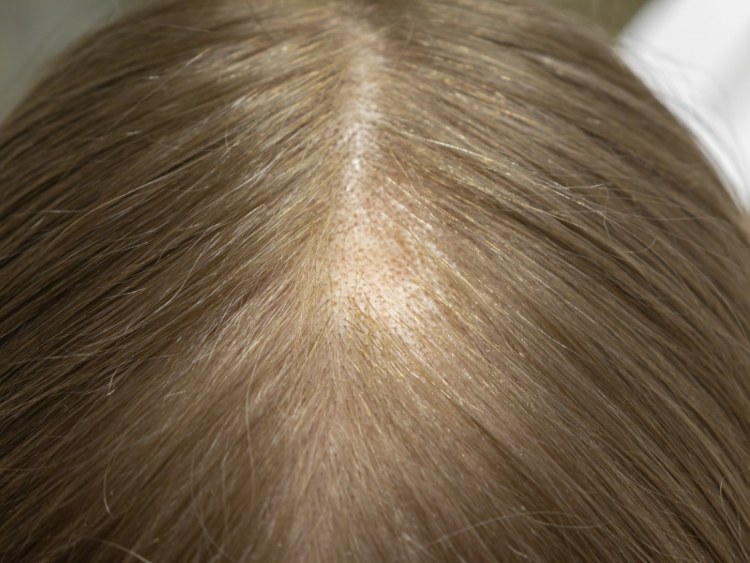
Telogen effluvium is a form of temporary hair loss that occurs when a larger-than-normal number of hair follicles enter the telogen (resting) phase of the hair growth cycle. A few months after those follicles enter the resting phase, the hairs will start shedding, and you might notice excess hair loss across the scalp. Unlike some forms of hair loss that cause obvious bald patches, telogen effluvium usually looks like this:
- Increased daily hair shedding
- Hair accumulation in brushes and drains
- Reduced hair volume
- Diffuse thinning across the scalp
- A wider part line in some individuals
What Causes Telogen Effluvium?
Telogen effluvium hair loss is only temporary, but it can still be frightening when your hair suddenly falls out. It’s helpful to know a few of the factors that can trigger this condition:
- Physical Stress and Illness—Major physical stressors are among the most common causes of telogen effluvium. If you’ve had a serious infection, surgery, significant weight loss, or stressful life event, it could be affecting hair growth.
- Hormonal Changes—Hormonal fluctuations can also contribute to telogen effluvium. After pregnancy, estrogen levels decline, causing many hairs that remained in the growth phase during pregnancy to enter the shedding phase. Thyroid disorders and menopause also play a role in hair growth cycles.
- Nutritional Deficiencies and Medications—Hair follicles need nutrients to function properly. Deficiencies in iron, vitamin D, zinc, protein, and other essential nutrients can trigger shedding. Some medications, such as antidepressants and anticoagulants, can worsen the problem, too.
Do I Have Acute or Chronic Telogen Effluvium?
While telogen effluvium is classified as a temporary condition, it can either be acute or chronic. Here’s what you need to know about each type:
- Acute Telogen Effluvium—Acute telogen effluvium typically develops after a specific triggering event and lasts less than six months. Once the trigger is gone, the condition gradually improves.
- Chronic Telogen Effluvium—Chronic telogen effluvium persists for more than six months and may continue for years in some cases. It often occurs without an obvious trigger or may be linked to other health issues like stress or nutritional deficiencies.
How Is Telogen Effluvium Diagnosed?
When you visit Swinyer Woseth Dermatology for telogen effluvium treatment, we’ll start by reviewing your medical history, medications, and stress levels. We might ask about your lifestyle and examine your scalp to get a deeper understanding of your situation. Once we identify the underlying trigger (iron deficiency, thyroid dysfunction, hormonal imbalances, etc.), our team can start crafting a treatment plan.
Exploring Your Options for Telogen Effluvium Treatment
Telogen effluvium treatment usually focuses on addressing the triggers responsible for the excessive shedding. When we know what’s causing the issue, we can recommend one or more of these approaches:
- Correcting nutrient deficiencies
- Managing thyroid disorders
- Reducing physical or emotional stress
- Adjusting medications under medical supervision
- Improving overall health and wellness
- Avoiding harsh hair treatments
- Practicing gentle hair care routines
What to Expect From Recovery
Recovery varies from person to person depending on their triggers and lifestyle. Fortunately, most cases of acute telogen effluvium improve within three to six months after the trigger has been removed or resolved. Visible regrowth is often noticeable several months later as new hairs enter the growth phase. Patience is an important part of the process here. Keep in mind that hair growth doesn’t happen overnight, but if you’re consistent with your treatment plan, recovery is on the horizon.
Stop Telogen Effluvium With Swinyer Woseth Dermatology
While hair shedding can’t usually be stopped immediately, you can take steps toward recovery. If you’re concerned about telogen effluvium, don’t hesitate to get in touch with Swinyer Woseth Dermatology. Our team serves Salt Lake City and South Jordan, UT patients, helping them restore their healthy hair. Schedule your consultation today.
FAQs About Telogen Effluvium Treatment
Telogen effluvium is a temporary hair loss condition that occurs when an increased number of hair follicles enter the resting phase, leading to excessive shedding.
Common triggers include illness, surgery, childbirth, hormonal changes, significant stress, nutritional deficiencies, rapid weight loss, and certain medications.
Acute telogen effluvium usually lasts less than six months, but chronic telogen effluvium can persist for six months or longer.
A dermatologist can help you prevent telogen effluvium from recurring. They might recommend lifestyle changes such as eating more nutritious meals, managing stress, and using gentle hair care techniques.
In most cases, yes. The condition doesn’t permanently damage hair follicles, so hair usually regrows once the trigger is resolved.
Acute telogen effluvium is temporary and typically follows a specific trigger, while chronic telogen effluvium lasts longer than six months.