
Alopecia Areata
Alopecia Areata Treatment in Salt Lake City, UT
Hair loss can be distressing, especially when it happens suddenly and without warning. Alopecia areata is one of the most well-known forms of hair loss, affecting the scalp as well as other areas of the body. Instead of resigning yourself to bald patches, look to Swinyer Woseth Dermatology for help. We offer alopecia areata treatment to our patients in Salt Lake City and South Jordan, UT. Find out more about this condition and how you can get the treatment you need.
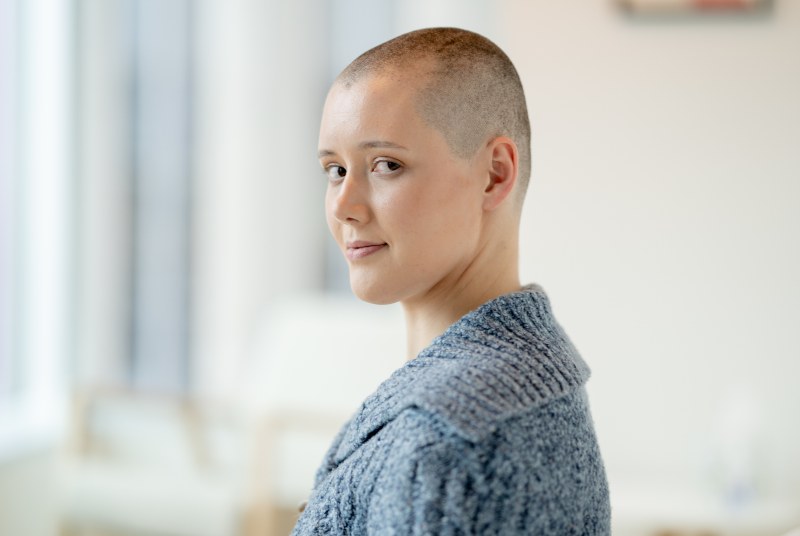
What Is Alopecia Areata?
Alopecia areata is an autoimmune disorder that causes the body’s immune system to mistakenly attack healthy hair follicles. This disrupts the normal hair growth cycle and leads to hair loss, often in round or oval patches. While it’s not contagious or life-threatening, alopecia areata can significantly affect appearance and emotional well-being. Get to know some of the most common signs of this condition:
- Patchy hair loss
- Smooth, round bald patches on the scalp
- Sudden hair shedding
- Thinning of eyebrows or eyelashes
- Changes in fingernails or toenails, such as pitting or ridges
- Tingling, itching, or burning sensations before hair loss begins
What Causes Alopecia Areata?
What exactly triggers alopecia areata isn’t fully understood yet. However, autoimmune activity is thought to be the primary cause. The immune system incorrectly identifies hair follicles as threats and attacks them, which causes hair to fall out. Environmental factors might also play a role. Things like serious illness, significant stress, and infections may all contribute to recurring alopecia. If you fall into one of these categories, you might be at higher risk of developing this condition:
- You have a family history of alopecia areata
- You were diagnosed with an autoimmune disease, like thyroid disorders, vitiligo, or type 1 diabetes
- You have a personal history of allergies or autoimmune conditions
How Alopecia Presents in Women and Men
Alopecia areata affects both women and men, though the way people experience the condition can differ based on a wide variety of factors. In both genders, alopecia areata appears as patchy hair loss on the scalp. Men may also notice bald patches in beard areas, while women may see thinning around the scalp hairline or part line. But no matter your gender, alopecia areata can lead to emotional impacts as well as changes to your physical appearance. Many people deal with embarrassment, frustration, or depression related to sudden hair loss. If your emotional well-being has taken a hit, don’t hesitate to see an alopecia areata dermatologist.
How Is Alopecia Areata Diagnosed?
Alopecia areata in men and women is diagnosed through several tests. We typically start by reviewing medical history and conducting a hair-pull test. From there, our team might also order a blood test to look for any underlying autoimmune conditions. However, most cases can be diagnosed through a physical examination alone. Once we understand how your condition works, we can begin building a treatment plan.
Get to Know Your Alopecia Areata Treatment Options
Alopecia areata treatment plans are always tailored to your age, condition, and overall health. Once we’ve taken all factors into account, we may recommend the following:
- Corticosteroid Treatments—Corticosteroids help reduce the immune response attacking the hair follicles. You might be prescribed a topical solution, an oral medication, or an injection to achieve the best results.
- Topical and Oral Medications—Immunotherapy treatments and oral medications intended to modify your immune system’s activity can also help stop alopecia symptoms.
- New and Emerging Therapies—New medications that target specific immune pathways have shown promising results for some patients with moderate to severe conditions. Ask your dermatologist if you’re interested in a new approach to alopecia areata treatment.
Can Hair Grow Back After Alopecia Areata?
Many people with alopecia areata do experience hair regrowth. The new hair may initially look fine and light in color, but eventually, it should return to its normal texture and pigmentation. However, keep in mind that recovery will be affected by a range of factors, including the severity of hair loss, your age, and your family history. If you have chronic alopecia, you might consider managing the condition with protective hairstyling, scalp care, and stress management techniques. No matter your situation, Swinyer Woseth Dermatology will be here to help you navigate treatment.
Promoting Hair Regrowth After Alopecia Areata
Alopecia areata in women and men is treatable. Rather than simply living with the physical and emotional effects, we encourage you to seek a solution. At Swinyer Woseth Dermatology, we’re proud to have helped so many people in Salt Lake City and South Jordan love their hair again. Contact us today for details about how you can meet with a dermatologist.
FAQs About Alopecia Areata
Alopecia areata occurs when the immune system mistakenly attacks hair follicles, disrupting normal hair growth and causing hair loss.
Yes. Many people enjoy partial or complete hair regrowth, either naturally or with treatment. However, regrowth patterns vary widely.
Not usually. Hair follicles are generally not permanently damaged, but some people experience recurring or long-term hair loss.
There’s no single best treatment for everyone. Corticosteroids, topical medications, immunotherapy, and newer targeted therapies may all be effective depending on your circumstances.
Yes. Alopecia areata affects both men and women and can occur at any age, including childhood.
If you notice sudden, patchy hair loss, bald spots, or eyebrow loss, consult a dermatologist. Catching the problem early is the best way to get treatment before the condition progresses.