
Vitiligo
Vitiligo Specialist in Salt Lake City, UT
Vitiligo is a chronic skin condition that affects millions of people worldwide. Characterized by patches of skin that lose their natural color, vitiligo can develop at any age and affect people of all skin tones. While the condition isn’t contagious or life-threatening, it can have a significant impact on your self-confidence and quality of life. Understanding the causes, symptoms, and treatment options goes a long way to helping patients make informed decisions about their care. Learn more about this condition and how Swinyer Woseth Dermatology serves patients in Salt Lake City and South Jordan, UT.
What Is Vitiligo?
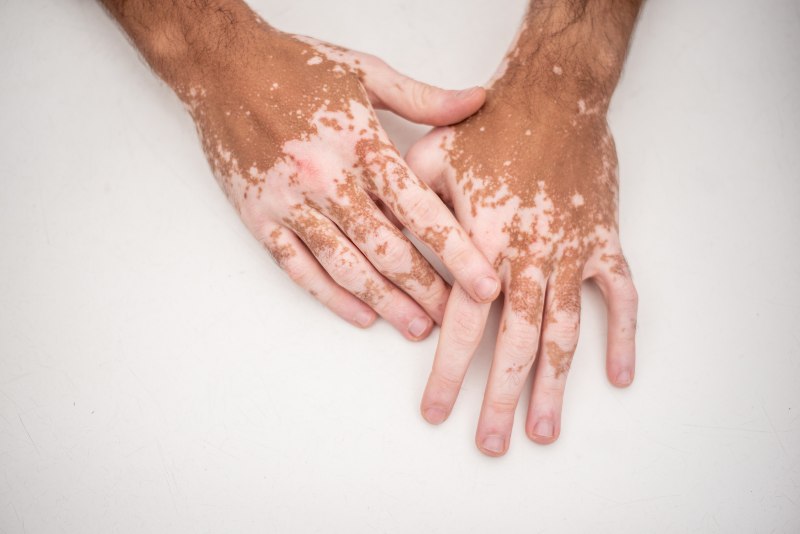
Vitiligo is a condition that causes the skin to lose pigment, resulting in white or lighter-colored patches. These areas develop when melanocytes, the cells responsible for producing melanin, stop functioning or are destroyed. Melanin is the pigment that gives skin, hair, and eyes their natural color. In people with vitiligo, melanocytes become damaged or disappear, preventing melanin production in affected areas. As a result, the skin loses color and develops uneven patches that can gradually spread over time. The most recognizable sign of vitiligo is the appearance of smooth, white patches of skin, but other symptoms may include:
- Loss of skin color in patches
- Premature whitening or graying of hair
- Color loss inside the mouth or nose
- Changes in the color of the retina
- Increased sensitivity to sun exposure in affected areas
What Causes Vitiligo?
Vitiligo specialists are still studying the condition, and the exact cause is unclear. However, it may have to do with a combination of these factors:
- Autoimmune Issues—Vitiligo is widely considered an autoimmune condition. In autoimmune disorders, the body’s immune system mistakenly attacks healthy cells. For people with vitiligo, the immune system targets melanocytes, leading to pigment loss.
- Genetics—While not everyone with the vitiligo skin condition has a family history of it, studies suggest that certain genetic variations may increase susceptibility. Having a close relative with vitiligo can raise the likelihood of developing the condition.
- Environmental Factors—Several other environmental factors may contribute to vitiligo. These include physical and emotional stress, skin injuries, sunburn, and exposure to certain chemicals.
Get to Know the Types of Vitiligo
Vitiligo can appear in different patterns and forms, and knowing which type you have is the first step to proper vitiligo management. Here’s what you need to know about each variety:
- Generalized Vitiligo—Generalized vitiligo typically causes symmetrical patches of pigment loss on both sides of the body. It’s the most common type and usually affects areas like the face, hands, arms, knees, and feet.
- Segmental Vitiligo—Segmental vitiligo usually appears on only one side of the body or within a specific area. It often develops earlier in life and can progress rapidly before stabilizing.
- Localized and Focal Vitiligo—Localized or focal vitiligo refers to one or a few small depigmented patches in a specific area. Some cases remain stable for years, while others may progress into more widespread forms of the condition.
How Is Vitiligo Diagnosed?
If you’ve noticed vitiligo patches, it may be time to get officially diagnosed. You can schedule a consultation with a vitiligo dermatologist in Salt Lake City, and during this appointment, they’ll get to know your medical history and current skin condition. They might do some blood tests or a skin biopsy to make a diagnosis, and from there, develop a treatment plan.
Can Vitiligo Be Treated?
Although there’s no universal cure for vitiligo, several treatments can help restore pigment, slow progression, or improve the appearance of affected skin. After diagnosis, we might recommend one of these vitiligo treatments:
- Topical Medications—Topical treatments like corticosteroid creams are often used for mild to moderate cases. These medications may help stimulate repigmentation and reduce inflammation.
- Light Therapy and Phototherapy—Phototherapy is considered one of the most effective treatments for many patients with vitiligo. Narrowband ultraviolet B (NB-UVB) therapy is commonly used to encourage melanocyte activity and repigmentation.
- Advanced Vitiligo Therapy—For those with a treatment-resistant condition, vitiligo therapy might be the best option. These include laser treatments, surgical grafting, and combination therapies. A vitiligo specialist can help determine which is most appropriate for you.
Managing Vitiligo in the Long-Term
In addition to treatment, many people benefit from vitiligo management strategies. First and foremost, we recommend protecting the depigmented skin from sun damage. These areas are more vulnerable to sunburn, so don’t forget to apply sunscreen and avoid excessive UV exposure. Beyond taking care of your skin in the sun, be sure to watch for any changes in your skin pigmentation. New patches or signs of repigmentation could be cause for concern, so reach out to your vitiligo dermatologist right away.
See a Vitiligo Dermatologist Today
If your condition is spreading, not responding to standard treatments, or affecting your self-esteem, don’t hesitate to see a vitiligo specialist. Salt Lake City and South Jordan, UT residents look to Swinyer Woseth Dermatology for help with all kinds of skin conditions, including vitiligo. Contact us today to schedule your professional evaluation.
FAQs About Vitiligo Treatment
Vitiligo is believed to result from an autoimmune response in which the body’s immune system attacks pigment-producing cells. Genetics and environmental triggers may also contribute.
Vitiligo can have a genetic component, and a family history may increase the risk. However, not everyone with vitiligo also has relatives with the condition.
Yes. Some people with vitiligo might stay stable, while others experience spreading of depigmented patches. Progression varies widely from person to person.
The most effective treatment for you depends on the severity and location of the condition. Phototherapy, topical medications, and combination treatments are among the most commonly recommended options.
We highly recommend seeing a dermatologist if you suspect you have vitiligo. They can diagnose your condition, identify related health concerns, and come up with a treatment plan.
Vitiligo itself is not harmful or contagious. However, it may be associated with certain autoimmune conditions.