
Female Hair Loss
Causes, Diagnosis, and Treatment for Thinning Hair in Women
Hair loss isn’t strictly a problem for men. Many women also deal with hair loss and thinning as they get older and experience hormonal changes. Thankfully, there’s plenty you can do about it. Seeing a dermatologist for female hair loss is the best way to pinpoint the cause, get a diagnosis, and find a treatment plan that works for you. Learn more about thinning hair in women and how Swinyer Woseth Dermatology can help.
What Is Female Hair Loss?
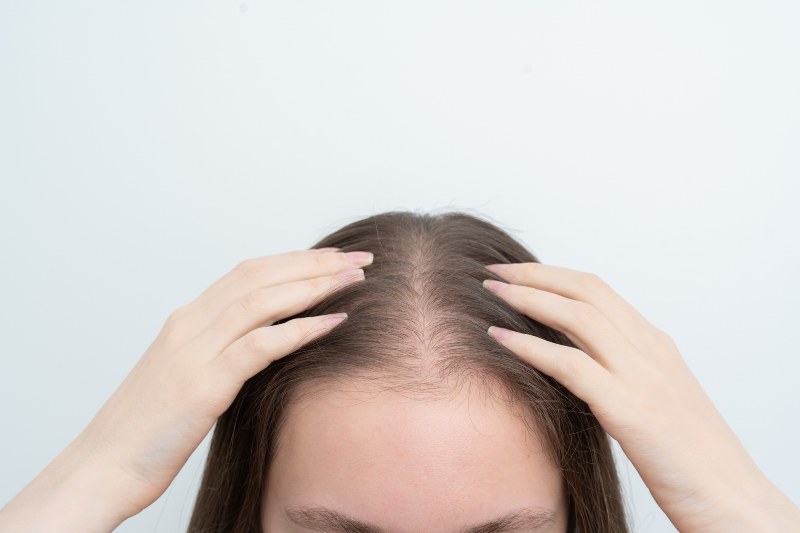
Female hair loss refers to any hair thinning or shedding that occurs when the normal hair growth cycle is disrupted. It can develop gradually over time or happen suddenly due to hormonal changes, stress, illness, or other factors. While men dealing with hair loss usually notice a receding hairline or bald spots, women are more likely to develop thinning across the entire scalp. Hormonal hair loss in women generally causes a widening part and reduced hair density overall. Other signs of thinning hair in women include:
- More hair shedding during brushing or washing
- Reduced hair volume or fullness
- Increased scalp visibility
- A thinner ponytail
- Slower hair growth than usual
What Causes Hair Loss in Women?
Hair loss can occur for many reasons, and identifying the underlying cause is essential for choosing the most effective treatment plan. Here are a few of the most common reasons for female hair loss:
- Genetics and Female Pattern Hair Loss—This hereditary condition occurs when hair follicles gradually shrink, resulting in finer and shorter hairs over time. Women who already have a family history of hair loss are more likely to develop this condition.
- Hormonal Hair Loss—Hormonal fluctuations can significantly affect the hair growth cycle. Changes in estrogen, progesterone, and androgen levels could all trigger increased shedding or follicle miniaturization.
- Medical Conditions—Certain health conditions, such as anemia, thyroid disease, and autoimmune disorders, might contribute to hair loss.
- Nutritional Deficiencies—Low levels of iron, vitamin D, zinc, or protein may interfere with healthy hair growth.
Hair Loss Can Be Triggered by Certain Life Stages
Hair loss can come as we enter new stages of life. These major transitions or events can impact the health of your hair:
- Postpartum Hair Loss—During pregnancy, elevated estrogen levels help keep hair in the growth phase longer. But when the hormone levels return to normal after delivery, the excess hair can start falling out. Thankfully, this condition usually improves on its own over time.
- Menopause Hair Loss—As estrogen levels decline, hair growth may slow as well. This can lead to reduced hair density, especially around the crown and top of the scalp.
- Stress-Related Hair Shedding—Stressful life events such as illness, surgery, significant weight loss, or psychological stress can cause hairs to enter the resting phase and shed several months later. Fortunately, stress-related hair loss is often temporary.
Signs It’s Time to See a Dermatologist
If you’ve noticed sudden hair shedding, thinning hair, or scalp discomfort, it may be time to speak with a women’s hair loss specialist. At Swinyer Woseth Dermatology, we offer comprehensive evaluations to get to the root cause of your problem. We’ll take a look at your medications, family history, and lifestyle factors to figure out what might be contributing. In some cases, a dermatologist will also do a scalp evaluation, hair pull test, or blood work. These diagnostic tools help us come up with a treatment plan tailored to you.
Treatment for Female Pattern Baldness
Losing hair can be scary, but more and more treatments are available. Depending on your symptoms and situation, we might recommend one of these treatments for female pattern baldness:
- Topical and Oral Medications—Many women find oral and topical medications to be incredibly effective for improving hair growth. Topical medications stimulate hair follicles, while oral medications can address hormonal factors.
- Platelet-Rich Plasma (PRP) Therapy—PRP therapy uses your own blood to create a concentrated solution of growth factors. The platelets are injected into the scalp to help stimulate hair follicles and support healthier hair growth.
- Other Approaches—If traditional medications and therapies aren’t successful, we may recommend laser therapy, scalp health treatments, or nutritional supplements.
How Swinyer Woseth Dermatology Can Help
If you’re dealing with hair loss, don’t panic. At Swinyer Woseth Dermatology, we offer hair thinning treatments for women and create tailored plans to address your concerns. Our team in Salt Lake City and South Jordan, UT, is here to listen to your needs and help restore your healthy hair. Contact us today to set up a consultation.
FAQs for a Women’s Hair Loss Specialist?
Hair loss occurs due to a variety of factors, such as genetics, hormonal changes, stress, medical conditions, medications, nutritional deficiencies, and aging. Talking to a dermatologist can help you pinpoint the cause of your hair loss.
In many cases, hormonal hair loss can be improved with the right treatment. However, results always depend on your specific circumstances.
Yes. Menopause hair loss is common because of declining estrogen levels in the body.
Postpartum shedding often begins two to four months after delivery, but it usually improves within six to twelve months as your hormone levels stabilize.
The most effective treatment for you depends on the cause of your hair loss. For female pattern hair loss, topical medications are commonly considered a first-line treatment, though many women benefit from a combination of therapies.
Absolutely. Yes. A dermatologist can determine the cause of your hair loss, identify any underlying medical conditions, and recommend personalized treatment options.