
Acne Tips from a Dermatologist
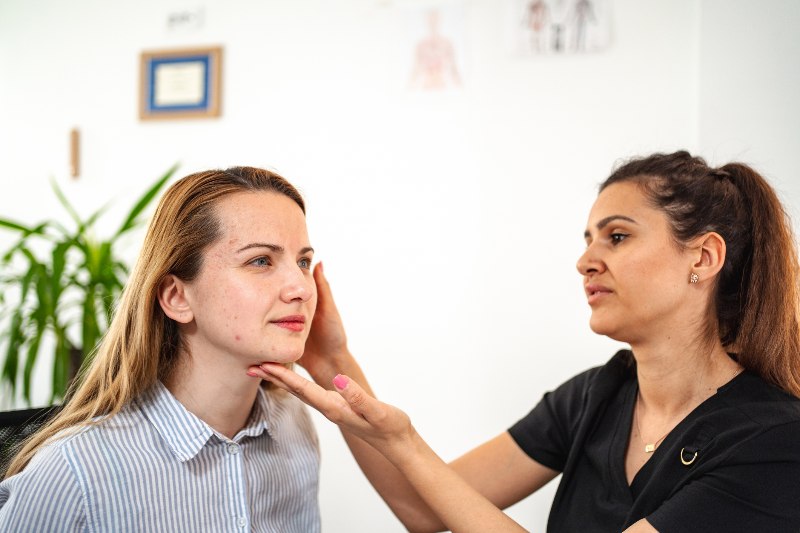
Tips to Prevent Acne From a Dermatologist
So many of us deal with acne, whether it’s just an occasional breakout or constant pimples popping up. It’s one of the most common skin conditions, yet many people don’t know how to control acne effectively. Talking with a dermatologist is the best way to figure out what causes your specific case of acne and how to reduce breakouts. Here are our dermatologist-approved acne tips for clearer skin.
1. Know What Causes Your Acne
Before you consider treatment options, it’s helpful to understand what causes your acne in the first place. Very generally speaking, acne develops when hair follicles get clogged up with oil and dead skin cells. Bacteria thrive in this environment, and pimples start to form. One or more of these factors may be contributing to your acne:
- Hormones—Certain hormones increase oil production, and hormone fluctuations, especially during puberty, menstruation, and pregnancy, can cause an uptick in breakouts.
- Genetics—Some folks are predisposed to acne. If your parents had it, you’re likely to develop it too.
- Diet—Some foods, particularly those with lots of sugar and dairy, may trigger breakouts in certain people.
- Stress—High cortisol levels can make existing acne breakouts even worse.
- Skincare—The wrong skincare or makeup products can clog pores and lead to more acne breakouts.
2. Build a Consistent Skincare Routine
Once you know all the potential causes of acne, you can build a routine to promote clear skin. Remember, everybody is different, and what works for one person may not work for another. However, most people find success with this simple routine:
Cleanse Every Day, Twice a Day
Start by washing your face every morning and night with a gentle, non-comedogenic cleanser. Look for ingredients like salicylic acid or benzoyl peroxide if you have active breakouts, but avoid harsh scrubs that can irritate your skin and make acne worse. You don’t need to scrub vigorously to remove oil and dirt. In fact, over-cleansing can strip your skin of its natural oils, causing it to produce even more oil to compensate.
Make Sure to Moisturize
Even oily, acne-prone skin needs moisture. Skipping moisturizer can actually trigger your skin to produce more oil. Choose oil-free, non-comedogenic formulas that won’t clog pores. Ingredients like hyaluronic acid and glycerin are excellent choices that provide hydration without heaviness.
Apply Sunscreen Daily
Sun protection is non-negotiable. Many acne treatments make your skin more sensitive to UV rays and increase your risk of sun damage and hyperpigmentation. Use a broad-spectrum SPF 30 or higher every day, even when it’s cloudy.
3. Incorporate Proven Acne-Fighting Ingredients
Some active ingredients work well for acne treatment. Again, not everyone will respond to the same ingredients, but these tend to be the most effective options:
- Retinoids—Retinoids work by increasing cell turnover, preventing clogged pores, and reducing inflammation. Prescription-strength retinoids like tretinoin are highly effective, but over-the-counter retinol can also help milder cases.
- Benzoyl Peroxide—This antimicrobial ingredient kills acne-causing bacteria and helps unclog pores. Apply benzoyl peroxide as a spot treatment or all over according to your needs. It can bleach fabrics, so use white towels and pillowcases.
- Salicylic Acid—This ingredient exfoliates inside pores and tends to be most effective for blackheads and whiteheads. Folks with oily skin benefit most from salicylic acid, and those with dry skin should use it sparingly.
- Niacinamide—This form of vitamin B3 helps reduce inflammation, regulate oil production, and fade post-acne marks. It’s gentle enough for daily use and plays well with other acne treatments.
4. Change Up Some Lifestyle Habits
Your lifestyle can affect your skin more than you might think. Small changes can go a long way! Try these lifestyle changes as you work toward clear skin:
- Watch Your Diet—Some research suggests that high-glycemic foods and dairy products may worsen acne. Consider keeping a food diary to identify potential triggers and focus on a balanced diet rich in fruits and vegetables.
- Keep Stress Under Control—Chronic stress doesn’t directly cause acne, but it can make existing acne worse. Find stress-management techniques that work for you, whether that’s exercise, meditation, or spending time outdoors.
- Don’t Pick or Pop—It’s tempting to pop every pimple that emerges, but picking at your skin can lead to scarring, infection, and prolonged healing time.
- Clean Your Phone and Pillowcases—Your phone and pillowcase collect bacteria, oil, and dirt throughout the day. Wipe down your phone regularly with an alcohol-based cleaner, and wash your pillowcases at least once a week in hot water.
5. See a Dermatologist
While many cases of mild acne respond well to over-the-counter treatments, some situations call for professional help. Dermatologists have access to prescription-strength treatments that can dramatically improve even severe acne. You might need additional tips to prevent acne from a dermatologist if:
- Your acne isn’t improving after 8-12 weeks of consistent treatment
- You have painful, deep cysts or nodules
- Acne is leaving scars or dark spots
- Your acne is affecting your self-esteem or quality of life
Work Toward Healthier Skin Today
Dealing with acne can be frustrating, but with some patience and the right approach, clearer skin could be in your future! At Swinyer Woseth Dermatology, we’re proud to help people across Salt Lake City and South Jordan, UT achieve their skincare goals. Our team will help you craft an acne treatment plan customized to your needs. Contact us today.