
Basal Cell Carcinoma Warning Signs
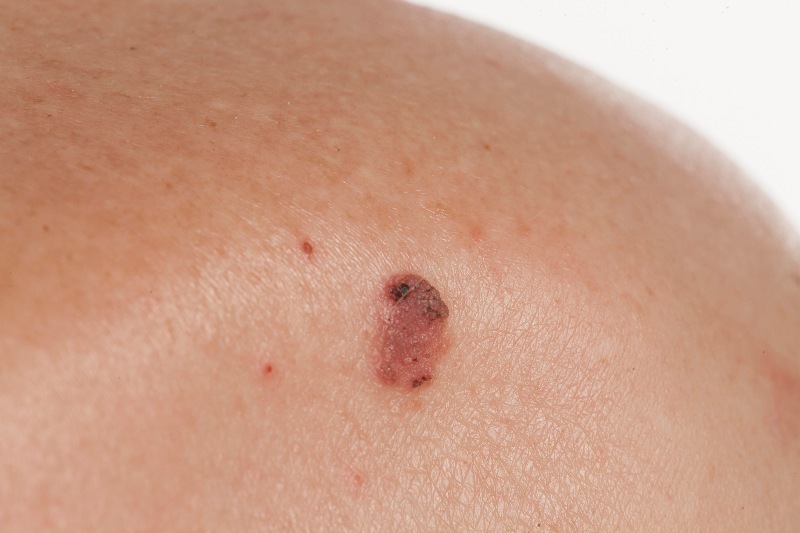
Basal Cell Carcinoma Warning Signs You Should Know
Skin cancer is the most common type of cancer in the United States, with millions of Americans receiving a skin cancer diagnosis every year. Basal cell carcinoma accounts for about 80% of these cases. But the good news is that basal cell carcinoma is highly treatable when caught early. Swinyer Woseth Dermatology specializes in detecting and treating basal cell carcinoma at our Salt Lake City and South Jordan, UT, clinics. We can examine suspicious spots and recommend the best course of action for your skin health. Keep reading to learn about basal cell carcinoma’s warning signs and when to seek medical attention.
What Is Basal Cell Carcinoma?
Basal cell carcinoma develops in the basal cells, which are found at the bottom of the epidermis – the outer layer of skin – and are responsible for producing new skin cells as old ones die off. This type of skin cancer usually grows slowly and rarely spreads to other parts of the body. However, without treatment, basal cell carcinoma can grow deeper into the skin and damage nearby tissue and bone.
Most basal cell carcinomas appear on areas of the skin that receive frequent sun exposure. This includes the face, ears, neck, scalp, shoulders, and back. However, they can develop anywhere on your body.
Causes of Basal Cell Carcinoma
Ultraviolet (UV) radiation is the primary cause of basal cell carcinoma. UV rays from the sun and tanning beds damage the DNA in your skin cells. Over time, this damage can lead to cancer. Several factors increase your risk of developing basal cell carcinoma:
- Frequent Sun Exposure – Spending lots of time outdoors without protection raises your risk.
- Tanning Bed Use – Indoor tanning significantly increases skin cancer risk.
- Fair Skin – People with light skin, blonde or red hair, and light-colored eyes are at a higher risk.
- Age – Risk increases as you get older, though younger people can develop it, too.
- Personal History – Having one basal cell carcinoma increases your chances of developing another.
- Family History – A family history of skin cancer raises your risk.
- Weakened Immune System – Certain medications and conditions that suppress immunity increase risk.
Basal Cell Carcinoma Warning Signs
Recognizing cancer warning signs is crucial for early detection. Basal cell carcinoma can appear in several different forms.
Common Appearance Patterns
Basal cell carcinomas often show up as:
- Pearly or Waxy Bump – This is one of the most common presentations. The bump may be flesh-colored, pink, or brown. It often has a translucent quality and visible blood vessels.
- Flat, Scaly Patch – The patch may be brown, flesh-colored, or reddish. It might resemble a scar or area of irritated skin.
- Bleeding or Scabbing Sore – The sore may heal and then return. It might bleed easily when touched or scraped.
- White, Waxy Scar-Like Lesion – This type has poorly defined borders and may be less noticeable than other forms.
Key Skin Cancer Signs
Pay attention to these other specific warning signs:
- A spot that bleeds easily and doesn’t heal within a few weeks
- A growth that continues to get larger over time
- A pink growth with raised edges and a crusty center
- A sore that heals and then reopens repeatedly
- Visible blood vessels on or around a bump or growth
How to Spot Basal Cell Carcinoma
Regular skin self-exams help you detect basal cell carcinoma early. Follow these steps for effective skin checks:
- Examine Your Entire Body – Use a full-length mirror and a hand mirror to check all areas of your skin. Don’t forget less-visible spots like your scalp, ears, and back.
- Look for Changes – Note any new growths or existing spots that have changed in size, shape, or color. Take photos to track changes.
- Check Monthly – Perform self-exams once a month. This helps you become familiar with your skin and notice changes quickly.
- Focus on Sun-Exposed Areas – Pay extra attention to your face, ears, neck, arms, and hands. These areas receive the most UV exposure.
- Document Suspicious Spots – Keep a record of anything unusual. Note when you first noticed it and how it has changed.
Remember the ABCDE rule, which doctors use to identify potential skin cancers:
- Asymmetry – One half doesn’t match the other half.
- Border – Edges are irregular, ragged, or blurred.
- Color – Color is not uniform and may include shades of brown, black, pink, red, or white.
- Diameter – The spot is larger than six millimeters, which is about the size of a pencil eraser.
- Evolving – The spot is changing in size, shape, or color.
While the above rule is most commonly used for melanoma, it can also help identify suspicious basal cell carcinomas.
Our Basal Cell Carcinoma Treatment Options
Swinyer Woseth Dermatology offers several effective treatments for basal cell carcinoma. The best option depends on the size, location, and type of cancer you have.
- Surgical Excision – A dermatologist removes the cancer along with some surrounding healthy tissue. This is effective for most basal cell carcinomas.
- Mohs Surgery – This precise technique removes cancer layer by layer while preserving healthy tissue. It’s often used for cancers on the face or other sensitive areas.
- Curettage and Electrodesiccation – The doctor scrapes away the cancer and then uses an electric needle to destroy remaining cancer cells.
- Cryotherapy – Liquid nitrogen freezes and destroys cancer cells. This works well for small, thin basal cell carcinomas.
- Topical Medications – Prescription creams can treat superficial basal cell carcinomas.
- Radiation Therapy – This option may be used when surgery isn’t possible or as a follow-up to surgery.
How to Detect a Recurrence and Prevent Further Skin Damage
After successful treatment, basal cell carcinoma can sometimes return. People who have had one basal cell carcinoma face an increased risk of developing new ones. You should:
- Schedule Regular Follow-Ups – See your dermatologist for skin checks as recommended. Most patients need exams every six to 12 months.
- Continue Self-Exams – Keep checking your skin monthly. Report any new or changing spots to your doctor right away.
- Protect Your Skin From UV Radiation – Wear broad-spectrum sunscreen daily, seek shade during peak sun hours, wear protective clothing, and avoid tanning beds.
- Stay Vigilant – Early detection remains crucial. The sooner you catch a recurrence or new cancer, the easier it is to treat.
Contact Us for Basal Cell Carcinoma Guidance and Early Detection
Never ignore potential skin cancer signs. Early detection of basal cell carcinoma leads to better outcomes and simpler treatment. If you notice any suspicious spots or changes to your skin, contact us in Salt Lake City to schedule a consultation immediately.