
How to Stop Alopecia Areata From Spreading
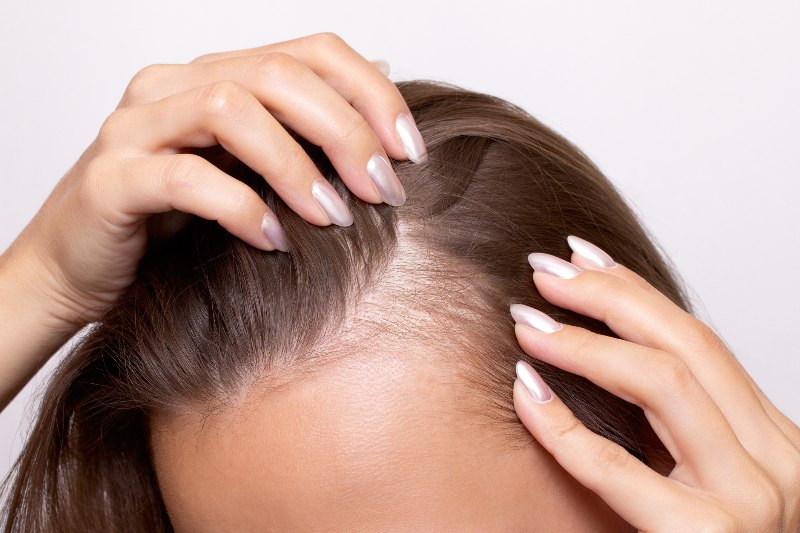
How to Stop Alopecia Areata From Spreading
Finding patches of hair loss can be alarming, especially when you don’t know what causes it or how to prevent future issues. If you’re dealing with hair loss, you certainly aren’t the only one. Alopecia areata affects millions of people across the world, and while there’s no definitive cure, you can find effective hair loss solutions. With solid dermatologist advice, you may be able to stop the spread of alopecia areata and love your hair again. Learn more about how to deal with this common condition.
What Is Alopecia Areata?
Alopecia areata is an autoimmune condition in which the immune system mistakenly attacks hair follicles, causing hair to fall out in round or oval patches. Unlike male pattern baldness, this condition can affect anyone regardless of age or gender, though it most commonly begins in childhood or young adulthood. Ultimately, alopecia areata is unpredictable, and it is particularly challenging to pin down. Some folks only have one or two patches of hair loss, while others see the condition progress to more extensive hair loss.
These risk factors might increase your chances of alopecia areata:
- Genetics—If someone else in your family deals with alopecia, you’re more likely to start noticing hair loss as well.
- Excess Stress—Stress and emotional trauma sometimes exacerbate alopecia and cause more spots to appear.
- Other Autoimmune Conditions—Conditions like thyroid disease and type 1 diabetes are sometimes associated with progressing alopecia.
Which Alopecia Treatments Might Help?
Hair loss is treatable, and a dermatologist may be able to help you find an effective alopecia treatment. With the right approach, your alopecia areata may stop spreading, and you could start to notice hair regrowth. Depending on your specific circumstances, a dermatologist might recommend:
Topical Corticosteroids
These anti-inflammatory medications are often the first line of treatment for mild to moderate alopecia areata. Applied directly to affected areas, they can reduce inflammation around hair follicles and prevent hair loss in the future. While results vary, most patients see results within three to six months of consistent use.
Steroid Injections
For stubborn patches or when topical treatments aren’t effective, dermatologists may recommend steroid injections directly into the scalp. Expect to get injections every four to six weeks for the best chance of success in stopping the spread and stimulating regrowth.
Immunotherapy Treatments
Some immunotherapy treatments can be effective for patients who have severe cases of alopecia areata. In brief, these treatments create a controlled allergic reaction that directs the immune system away from attacking hair follicles. Your dermatologist can give you additional details about the approaches that make the most sense for you.
Lifestyle Changes to Support Hair Health
While medical treatments are essential to address alopecia areata, you can also prevent hair loss with a few lifestyle modifications. These practical changes might not work overnight, but they can help minimize the effects of alopecia:
- Manage Your Stress—Stress can trigger alopecia areata flare-ups, so it pays to find stress management strategies that work for you. Regular exercise, meditation, yoga, deep breathing, or simply engaging in a hobby can help reduce stress in the long run.
- Eat a Balanced Diet—Be sure your diet includes foods high in iron, zinc, vitamin D, and B-vitamins. Some people with alopecia areata have deficiencies in these nutrients, which can worsen hair loss.
- Get Plenty of Sleep—Are you getting between seven and nine hours of quality sleep each night? Poor sleep or an inconsistent sleep schedule can increase stress hormones and trigger autoimmune responses that worsen alopecia areata.
- Implement Gentle Hair Care—Hair care routines don’t cause alopecia by themselves, but you may be able to prevent hair loss by avoiding harsh treatments. Use gentle shampoos, avoid tight hairstyles that pull on the hair, and minimize heat styling. Wash your hair with lukewarm water and pat dry gently instead of rubbing.
Is It Time to See a Dermatologist?
If your alopecia areata is spreading despite your best efforts, it may be time to see a dermatologist. While waiting things out can be tempting, the sooner you begin treatment, the better your chances of finding effective hair loss solutions. Talk to a professional if any of the following apply to you:
- Alopecia Continues to Worsen—See a dermatologist right away if you notice new patches of hair loss or existing patches are only getting bigger. You should also contact a professional if you’re losing hair rapidly in multiple areas.
- Hair Loss Is Affecting Your Mental Health—Many of us take pride in our hair, and hair loss can lead to concerns about mental health and a reduced quality of life. Dermatologists can help you address the medical problem and connect you with mental health professionals.
- Over-the-Counter Treatments Aren’t Working—Have you tried drugstore solutions with no improvement? If you’ve been using home remedies for four months without results, a dermatologist may be able to help.
Address Your Hair Loss Today
Alopecia is a medical condition that can affect your emotional state if left unchecked. Thankfully, Swinyer Woseth Dermatology is here to help if it keeps spreading despite your best efforts. Our team serving Salt Lake City and South Jordan, UT treats with patients with hair loss and can recommend the most effective solutions. Contact us today to schedule your first appointment.