
Post-Acne Hyperpigmentation: Best Treatments by Fitzpatrick Skin Type
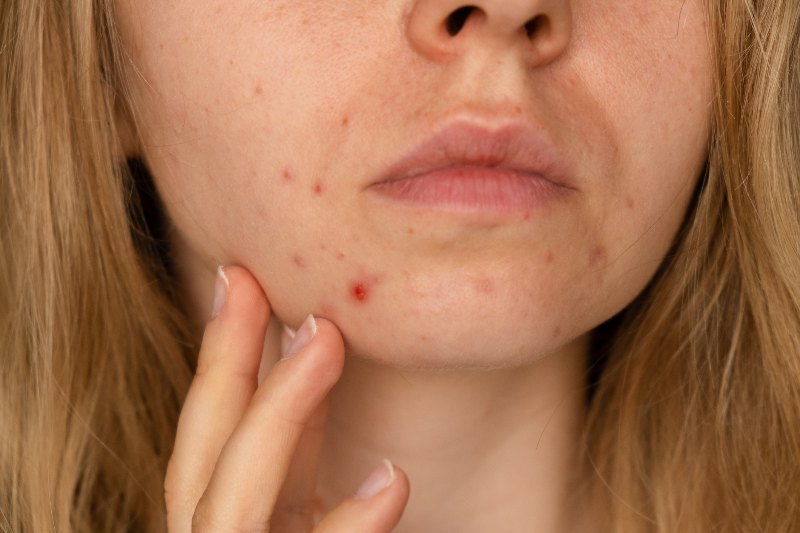
Treat Your Post-Acne Hyperpigmentation
Clearer tone and smoother texture often begin with understanding how skin heals after acne resolves. Post-acne hyperpigmentation occurs when excess pigment remains in the skin after inflammation, and treatment success depends heavily on the individual’s skin response. The Fitzpatrick skin type scale helps guide care by classifying how skin reacts to sun exposure, injury, and procedures. Lighter skin types may respond well to chemical peels, topical brightening agents, and IPL. Deeper skin tones often benefit from carefully selected pigment-safe medical therapies. Swinyer Woseth Dermatology treats post-acne hyperpigmentation for patients in Salt Lake City and South Jordan, UT with customized plans based on Fitzpatrick skin type, lifestyle, and long-term skin health.
What Is Post-Acne Hyperpigmentation?
Post-acne hyperpigmentation refers to flat areas of discoloration that remain after an acne blemish has healed. These marks may appear brown, tan, red, or purple, depending on skin tone and the depth of inflammation. They form when the skin produces extra pigment as part of its healing response. This condition can affect all skin types and ages, though it is often more noticeable on medium- to deep-toned skin. Understanding what these marks develop helps guide effective treatment and long-term skin maintenance. Here are a few common causes of post-acne hyperpigmentation:
- Inflammation From Acne Lesions – Active acne triggers an inflammatory response within the skin. That inflammation signals pigment-producing cells to increase melanin in the affected area.
- Picking or Squeezing Blemishes – Physical trauma disrupts the skin barrier and extends healing time. This process increases the risk of lingering pigment changes after the blemish resolves.
- Sun Exposure During Healing – Ultraviolet light stimulates melanin production in healing skin. Unprotected exposure often deepens discoloration and prolongs its appearance.
- Skin Type and Pigment Response – Higher Fitzpatrick skin types tend to produce more melanin during healing. This natural response increases the likelihood of visible dark marks after acne clears.
What Is a Fitzpatrick Skin Type?
A Fitzpatrick skin type is a medical classification system dermatologists use to describe how skin responds to sun exposure and injury. It ranges from Type I, which burns easily and rarely tans, to Type VI, which has deeply pigmented skin that tans easily. This scale helps guide treatment planning, product selection, and sun protection advice. Skin type influences how pigment forms, how acne heals, and how the skin reacts to procedures such as lasers or chemical peels. Knowing a patient’s Fitzpatrick skin type helps tailor care plans to the skin’s natural behavior. This personalized approach supports safer treatments, balanced healing, and predictable results.
Why Skin Tone Impacts Treatment Selection
Skin tone plays a direct role in how the skin responds to acne, inflammation, and corrective treatments. Melanin levels affect healing speed, pigment production, and sensitivity to heat or light-based procedures. Deeper skin tones often produce pigment more readily after inflammation, which influences treatment choice and pacing. Lighter skin tones may tolerate stronger resurfacing options but still require careful monitoring. Dermatologists use skin tone alongside Fitzpatrick skin type to select techniques that support even results and protect skin integrity. This approach promotes a better tone while reducing the risk of prolonged discoloration. Matching treatment to skin tone allows procedures, products, and settings to work with natural skin behavior rather than against it.
How to Get Rid of Post-Acne Hyperpigmentation
Fading dark marks after acne takes a thoughtful plan that supports skin renewal and pigment balance. Results improve when care targets discoloration while protecting the skin barrier. Dermatologist-guided post-acne hyperpigmentation treatment focuses on gradual correction rather than aggressive shortcuts. Skin type, tone, and lifestyle factors influence product selection and timing of procedures. Medical-grade options offer consistent results when paired with daily sun protection and professional monitoring. Here are a few effective ways to get rid of post-acne hyperpigmentation, including:
- Topical Brightening Therapies – Prescription and professional formulas help regulate pigment production within the skin. Consistent use supports steady improvement in tone over time.
- Chemical Peels – Controlled exfoliation encourages fresh skin turnover and life’s surface discoloration. Peel strength and frequency depend on skin tone and sensitivity.
- Micro-needling and Energy-Based Treatments – These services stimulate collagen while dispersing excess pigment. Treatment settings are carefully adjusted to match each individual’s skin response.
- Daily Sun Protection – Broad-spectrum sunscreen prevents pigment from darkening during healing. Sun avoidance reinforces treatment results and supports lasting clarity.
Laser and Energy-Based Technologies by Skin Type
Laser and energy-based technologies help treat discoloration, texture concerns, and uneven tone when selected with skin type in mind. Melanin levels influence how skin absorbs heat and light, which affects treatment choice and settings. Dermatologists rely on Fitzpatrick skin type to match each technology to the skin’s natural response. Careful selection supports pigment correction while protecting skin health. Treatment plans often combine these technologies with supportive skincare to promote steady improvement. Understanding how each option works allows patients to feel informed and confident throughout care.
Explore the Timeline for Visible Improvement
Improvement from post-acne hyperpigmentation treatment develops gradually as the skin renews itself and excess pigment disperses. Topical therapies often begin to show subtle brightening within several weeks when used consistently. In-office procedures such as chemical peels, micro-needling, or laser treatments typically produce visible changes over a series of sessions spaced weeks apart. Skin type, depth of discoloration, and sun protection habits all influence pacing. Deeper pigmentation may require longer treatment plans to allow balanced correction. Ongoing evaluation helps adjust care as progress appears, supporting steady tone improvement and healthy skin function over time rather than rushed or uneven results.
Start Your Plan for Clearer, Even-Toned Skin
A personalized approach makes a meaningful difference when addressing post-acne hyperpigmentation. Care plans built around skin tone, Fitzpatrick skin type, and lifestyle support steady improvement and lasting results. Expert evaluation allows treatment selection that protects skin health while promoting brighter, more even tone. Patients benefit from medical and cosmetic options supported by years of clinical experience and ongoing research. Schedule your consultation today to discuss treatment options, review next steps, and begin a plan designed to support clear, confident skin over time.