
Post-Acne Hyperpigmentation vs. Scarring
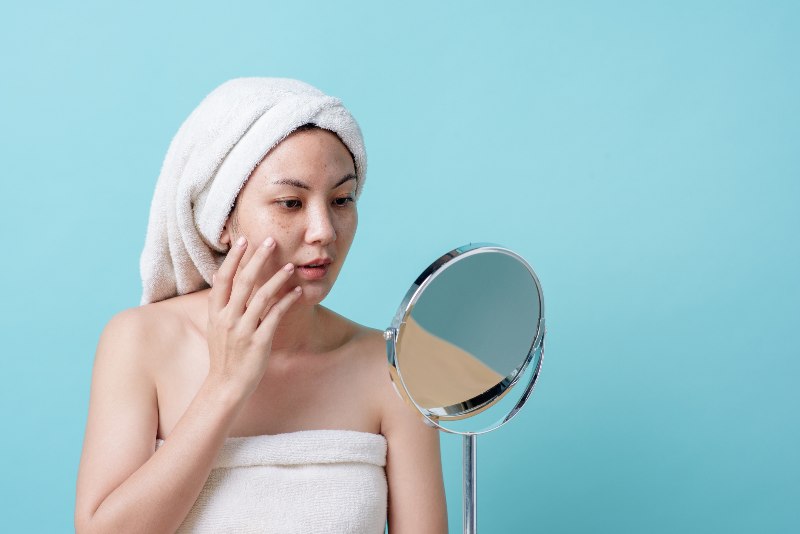
Hyperpigmentation vs. Scarring: What’s the Difference?
You’ve finally conquered that stubborn breakout, but now you’re left staring at marks that won’t seem to fade. Are they scars? Will they ever go away? If you’re confused about what’s happening to your skin, you’re not alone. Acne scars and hyperpigmentation are common concerns that pop up after the pimples are gone. Telling the difference can be easier said than done, however. Here’s your guide to hyperpigmentation vs. acne scars and how you can prevent them.
What Is Post-Acne Hyperpigmentation?
The discoloration that appears after acne heals is called hyperpigmentation. These marks are flat and typically show up as brown, red, or purple spots, depending on your skin tone. They occur when inflammation from acne triggers excess melanin production, a natural response to skin injuries or irritation. If you notice the following, you’re probably dealing with a case of hyperpigmentation:
- Marks with a flat, smooth texture (no raised or indented areas)
- Discoloration where you previously had acne
- Spots gradually fade over time (sometimes over years), even without treatment
What Is Post-Acne Scarring?
Unlike hyperpigmentation, acne scars involve actual changes to your skin’s texture. They form when acne damages the deeper layers of skin and affects collagen production during the healing process. There are several types of acne scars, some of which involve depressions into the skin, while others manifest as raised bumps. If you’re prone to picking your skin or popping pimples, you’re more likely to develop scarring. These don’t fade on their own and require professional treatment to see meaningful results.
How to Tell Them Apart
If you still aren’t sure whether you’re dealing with hyperpigmentation or acne scars, try running your finger over the affected area. If the skin feels smooth and flat, hyperpigmentation is the likely culprit. If you feel bumps, divots, or textural changes, those are acne scars. Timing can also help you determine which skin concern you’re dealing with. Hyperpigmentation usually fades within a few months, but acne scars won’t go away without treatment.
Treatment Options for Hyperpigmentation
While hyperpigmentation tends to go away on its own, it isn’t a quick healing process. However, with the proper treatment, you can speed up skin cell turnover and reduce excess melanin production. Topical treatments like vitamin C, retinoids, and niacinamide can all help, but professional approaches are your best bet. Talk to your dermatologist about whether these treatments could work for you:
- Chemical Peels—This approach removed the top layer of discoloration, revealing clear skin underneath.
- Laser Therapy—Treatments like laser therapy specifically target the pigmented cells and work to break up the discoloration. After any treatment, be sure to use SPF 30 sunscreen to protect your soft, clear skin.
How We Treat Acne Scars
Acne scars involve structural changes to the skin, while hyperpigmentation is only cosmetic. With this in mind, dermatologists take a different approach to scar treatment. Addressing deep acne scars often requires more than one treatment session, and patience will be key as you work toward clear skin. Depending on the type of acne scars you’re dealing with, a professional might recommend one of these approaches:
- Microneedling—This treatment creates micro-injuries in the skin to stimulate collagen production and restore your previous skin quality.
- Laser Resurfacing—Using laser technology, this method removes damaged skin layers and promotes new skin growth.
- Chemical Peels—Chemical peels may address acne scars as well! Deep treatments sometimes improve mild scarring.
- Dermal Fillers—If you have depressed scars, this approach can temporarily fill the area.
Can I Prevent Acne Scars and Hyperpigmentation?
The best way to get clear skin is to avoid the need for scar treatment in the first place. While this is often easier said than done, you can take several steps to prevent acne scars and hyperpigmentation. Everyone’s skin is different, and what works for you might not work for everyone. However, here are some general skincare tips to avoid scarring:
- Don’t Pick Your Face—The single most important thing you can do to avoid scars and hyperpigmentation is to keep your hands off your face. Don’t pick at acne or pop pimples, as this causes more inflammation and increases the chance of being left with a scar.
- Seek Acne Treatment Early—The sooner you address breakouts, the less likely they are to cause lasting marks. Consider seeing a dermatologist if over-the-counter products aren’t working.
- Use Gentle Skincare—Scrubbing harder doesn’t help remove more dirt and excess oil from the skin. In fact, harsh scrubbing and aggressive skin care products can worsen inflammation in the long run.
- Wear Sun Protection—Sunscreen is essential, and you should be wearing it every day, even if you usually stay inside. UV exposure makes both hyperpigmentation and scars more noticeable.
When to See a Dermatologist for Acne Scars
Sometimes, over-the-counter treatments aren’t enough to get rid of hyperpigmentation or hide acne scars. If you’re feeling frustrated, don’t hesitate to get in touch with a dermatologist. They can accurately diagnose your skin concern and recommend the most effective treatments. We recommend contacting a professional if:
- Dark spots haven’t faded after several months
- You have extensive hyperpigmentation
- You’re dealing with acne scars
- You’re unsure which condition you have
Say Goodbye to Acne Scars With Swinyer Woseth Dermatology
Lots of people deal with hyperpigmentation and acne scars, but that doesn’t mean you have to deal with them too. At Swinyer Woseth Dermatology, we help our Salt Lake City, UT patients get on the road toward clear skin. Reach out to our team to learn more about acne treatment and achieving your cosmetic goals.