What Do Anxiety Rashes Look Like? Causes & Treatment
What Do Anxiety Rashes Look Like? Causes & Treatment
Anxiety is a common mental health challenge that doesn’t just affect the mind. You may notice significant physical effects on the body. One of the lesser-discussed symptoms is the development of anxiety rashes. These rashes can be uncomfortable, frustrating, or even concerning, as they are often mistaken for other skin conditions. Swinyer Woseth Dermatology explains what anxiety rashes look like, their causes, and effective treatment options to help you manage them. Reach out to us to learn more today.
What Does an Anxiety Rash Look Like?
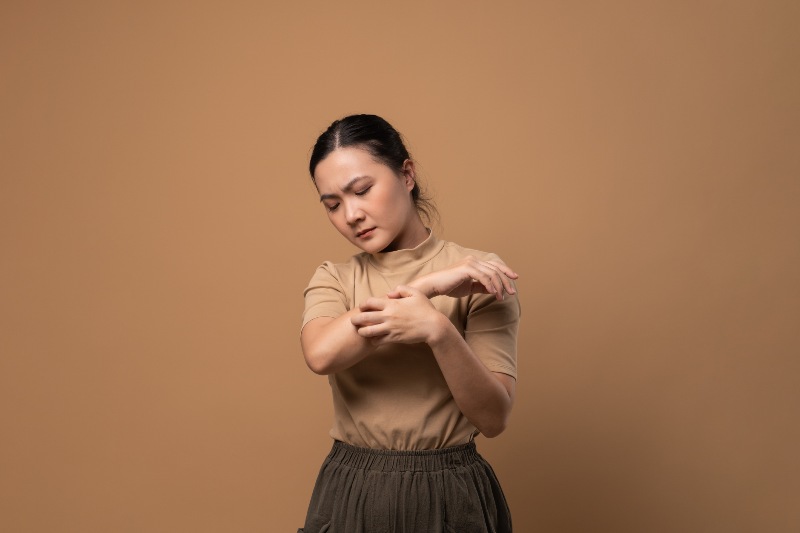
An anxiety rash often appears as red, raised, itchy patches of skin, resembling hives or heat rash. The rash can occur anywhere on the body, but common areas include the face, neck, chest, and arms. For some individuals, the rash may look like small clusters of bumps, while for others, larger, swollen welts may appear. These rashes may flare up suddenly during or after moments of heightened anxiety and can vary in intensity from mild discomfort to significant irritation.
Causes of an Anxiety Rash
Anxiety rashes are caused by the body’s response to stress. When you experience anxiety, your body releases stress hormones like cortisol and adrenaline. These hormones trigger a series of physiological changes, including increased inflammation, which can manifest in the skin. Some specific causes of anxiety rashes include:
- Inflammatory Response: Stress hormones can cause your body to produce histamines, chemicals responsible for allergic reactions. This can lead to red, itchy welts or hives.
- Weakened Skin Barrier: Persistent anxiety may weaken your skin’s natural barrier, making it more susceptible to irritation and external triggers like temperature changes or skincare products.
- Hyper-Sensitivity of the Immune System: Chronic stress can overactivate the immune system, resulting in random skin flare-ups.
It’s important to note that anxiety rashes are not contagious or caused by an underlying infection, but they may co-occur with other skin conditions like eczema or psoriasis, exacerbating symptoms.
Stress Rash vs. Other Rashes
Differentiating anxiety-related rashes from other types can be challenging. Stress rashes are unique in that they typically coincide with periods of heightened emotional distress. Unlike a rash caused by allergies or irritants, anxiety rashes may subside when stress levels decrease.
For more severe or recurring rashes, it may be beneficial to speak with a dermatologist to rule out other causes. Conditions like contact dermatitis, heat rash, or certain autoimmune disorders can mimic the appearance of stress-related rashes, so a professional diagnosis is often helpful.
Anxiety Rash Treatment Options
If you suspect your rash is linked to anxiety, the good news is that effective treatments are available. Addressing the physical symptoms and the underlying anxiety is key to managing the condition. Our experienced dermatologists will assess your needs to determine the best course of action for your anxiety rash, including:
- Topical Treatments for Physical Relief: Use over-the-counter antihistamine creams or oral antihistamines to reduce itching and inflammation. You can apply a cool compress to the affected areas to soothe irritation, and choose gentle, fragrance-free moisturizers to keep the skin hydrated and protected from flare-ups.
- Relaxation Practices: To combat anxiety, practice stress management by incorporating relaxation practices such as deep breathing, yoga, or meditation into your daily routine.
- Physical Activity: It’s essential to make time for regular physical activity, which can reduce stress levels and boost overall well-being.
- Enjoy a Creative Outlet: Find an outlet like journaling or speaking with a counselor to help you process and manage anxiety triggers.
- Seek Professional Guidance: If self-care methods don’t resolve the rash, consult a healthcare provider or dermatologist. For individuals experiencing chronic anxiety, therapy or medications like SSRIs (Selective Serotonin Reuptake Inhibitors) can help address the root cause of stress-induced symptoms.
When to See a Doctor
Your doctor may perform an evaluation to confirm whether your rash is linked to anxiety or is caused by another health condition. Stress-related symptoms often include difficulty breathing, anxiety, and a feeling of being overwhelmed. While most anxiety rashes can be managed with self-care, it’s important to consult a healthcare provider if you notice any of the following:
- The rash is severe, spreading, or persistent.
- You experience other symptoms, such as difficulty breathing or swelling (possible signs of an allergic reaction).
- Over-the-counter treatments and lifestyle changes fail to minimize symptoms.
Preventing Anxiety Rashes
Preventing anxiety rashes requires a proactive approach to managing stress and caring for your skin. Some helpful tips to prevent anxiety rashes include:
- Adopt a Healthy Lifestyle: Eating a well-balanced diet, staying hydrated, and getting adequate sleep can strengthen your body’s resilience to stress.
- Establish a Skincare Routine: Use hypoallergenic and soothing skincare products to support your skin’s natural defenses.
- Identify and Avoid Triggers: Pay attention to anxiety triggers and work toward minimizing their impact on your daily life.
Contact Swinyer Woseth Dermatology
Swinyer Woseth Dermatology can help determine the root cause of your rash or other skin condition. We understand anxiety rashes are a visible reminder of how closely connected our mental and physical health truly are. While the appearance of itchy red patches can be distressing, understanding the causes and treatments provides a path toward relief. By addressing both the symptoms and the triggers of stress, it’s possible to regain control over your skin and emotional well-being. If anxiety rashes persist or significantly affect your quality of life, don’t hesitate to seek our professional support. Contact us today!