Treating Hyperhidrosis with Botox: Mechanism, Efficacy, and Myths
Excessive sweating can turn everyday situations into sources of intense stress. Many people find themselves planning their wardrobes around sweat patches, avoiding handshakes, or feeling self-conscious during social interactions. If you constantly worry about visible sweat, you know how heavily it can weigh on your daily life. Standard antiperspirants and lifestyle changes often fall short, leaving you searching for a more reliable medical solution. Fortunately, advancements in dermatology have provided highly effective options for managing this condition. One of the most successful methods available today involves the use of botulinum toxin, commonly known as Botox. While most people associate Botox with smoothing facial wrinkles, it is highly effective at stopping excessive sweating at its source. If you live in Salt Lake City or South Jordan, UT, you do not have to manage this frustrating condition alone. Our experts at Swinyer Woseth Dermatology frequently help patients regain their confidence by treating hyperhidrosis with Botox. As you read below, we’ll explain how the treatment works, how effective it truly is, and the truth behind some common myths.
What Is Hyperhidrosis?
Hyperhidrosis is a medical condition characterized by excessive, unpredictable sweating. Sweating is your body’s natural way of cooling down when you exercise, experience stress, or spend time in a hot environment. However, people with hyperhidrosis sweat profusely even when their bodies do not need to cool down. The condition generally falls into two categories. Primary focal hyperhidrosis usually affects specific areas, such as the underarms, hands, feet, or face, and often runs in families. Secondary generalized hyperhidrosis is caused by an underlying medical condition or a medication side effect, resulting in sweating across larger areas of the body.
Does Botox Help With Hyperhidrosis?
Many patients ask their dermatologists: Does Botox help with hyperhidrosis? The answer is a resounding yes. The U.S. Food and Drug Administration (FDA) approved Botox for the treatment of severe primary axillary hyperhidrosis (underarm sweating) in 2004. Since then, dermatologists have used it safely and effectively to help countless patients manage their symptoms. It provides significant relief for individuals who have not responded well to prescription-strength antiperspirants or other topical therapies.
How to Treat Hyperhidrosis With Botox
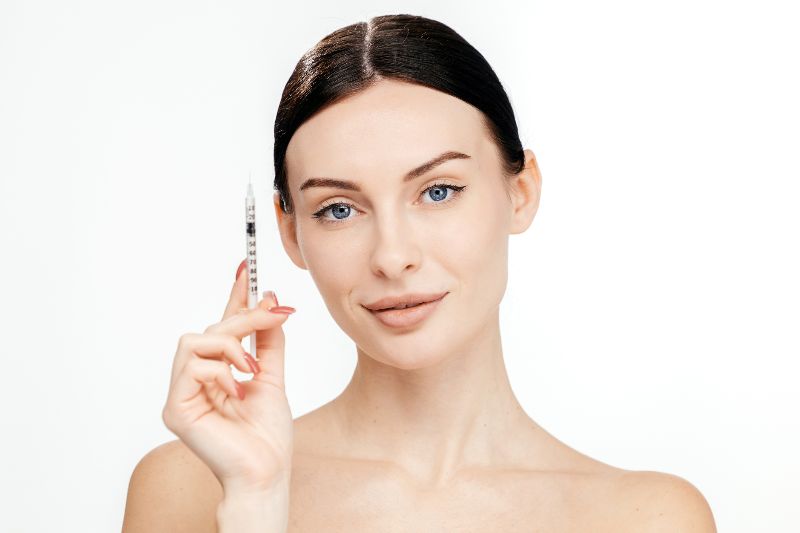
Learning how to treat hyperhidrosis with Botox begins with a consultation at a qualified dermatology clinic. Your dermatologist will review your medical history, assess the severity of your sweating, and determine which areas need treatment. During the procedure, the doctor uses a very fine needle to inject tiny amounts of Botox just beneath the skin. The injections form a grid pattern across the affected area to ensure even coverage. The entire appointment is relatively quick, usually taking less than thirty minutes. Most patients tolerate the minor discomfort well, and doctors can apply a topical numbing cream beforehand if you are particularly sensitive.
Mechanism of Action: How Botox Reduces Excess Sweating
To understand the treatment of hyperhidrosis with Botox, it helps to look at the underlying biology. The sympathetic nervous system controls sweating. When your body temperature rises, your nervous system releases a chemical messenger called acetylcholine. This chemical binds to your sweat glands and signals them to start producing sweat. In people with hyperhidrosis, these nerves become overactive, constantly triggering the sweat glands. Botox works as a neuromodulator. When injected into the affected area, it temporarily blocks the release of acetylcholine. Without this chemical signal, the sweat glands in that specific area remain inactive. Your body continues to produce sweat normally elsewhere, but the treated area stays remarkably dry.
Effectiveness of Hyperhidrosis Treatment With Botox
Patients generally see highly favorable outcomes following hyperhidrosis treatment with Botox. You will not notice an immediate halt in sweating the moment you leave the clinic. Instead, the results develop gradually. Most people notice a reduction in sweating within three to four days of their injection. The full, maximum effect typically kicks in around two weeks after the treatment. Once the Botox fully takes effect, patients usually find they can stop relying on heavy-duty antiperspirants and wear any color or fabric without worry.
Common Areas Treated
The FDA officially approved Botox for underarm sweating, but dermatologists frequently use it off-label to treat other areas affected by primary focal hyperhidrosis. Here are some other ways this treatment can help:
- Underarms: This is the most common and widely studied treatment area, boasting very high success rates and minimal discomfort during injection.
- Palms of the Hands: Sweaty palms can interfere with writing, touchscreen use, and handshaking. Botox is highly effective here, though injections in the hands can be slightly more sensitive.
- Soles of the Feet: Excessive foot sweating can ruin footwear and increase the risk of fungal infections. Botox injections can significantly reduce this moisture.
- Face and Scalp: Some patients experience severe sweating on their forehead or scalp. Carefully placed injections can manage this without affecting facial expressions.
Duration of Results and Maintenance Treatments
Botox is not a permanent cure for hyperhidrosis, but it does offer long-lasting relief. For underarm sweating, a single treatment session typically provides dryness for four to twelve months. Areas like the hands and feet may process the neuromodulator slightly faster, often requiring a touch-up around the six-month mark. As Botox naturally wears off over time, the nerves gradually resume releasing acetylcholine, and sweating returns slowly. To maintain your results, you will need periodic maintenance treatments. Your dermatologist at Swinyer Woseth Dermatology will help you establish a regular injection schedule tailored to your body’s metabolism of the treatment.
Myths About Treating Hyperhidrosis With Botox
Misinformation often surrounds cosmetic and medical injectables. Let’s clear up a few common myths about Botox and sweating.
- Myth: If you stop sweating in one place, you will sweat more somewhere else.
- Myth: Botox is dangerous because it is a toxin.
- Myth: Your body needs to sweat from your underarms to release toxins.
Safety, Side Effects, and Candidacy for Botox Treatment
Botox for hyperhidrosis is a well-tolerated procedure with a strong safety profile. The most common side effects are mild and temporary. You might experience slight bruising, redness, or tenderness at the injection sites. When treating the palms, some patients report temporary, mild hand muscle weakness that resolves on its own. Most healthy adults suffering from primary focal hyperhidrosis are excellent candidates for this procedure. However, pregnant or breastfeeding women, as well as individuals with certain neuromuscular disorders, should avoid Botox. A thorough consultation with a board-certified dermatologist is the best way to determine if this treatment aligns with your health profile.
Take Control of Excessive Sweating Today
Dealing with hyperhidrosis can dictate your daily choices and erode your self-esteem, but medical advancements have made it highly manageable. You do not have to rely on ineffective deodorants or dark clothing to hide your condition. If you are tired of excessive sweating controlling your life, it is time to consult an expert. Our team at Swinyer Woseth Dermatology is highly experienced in diagnosing and managing this condition. With convenient locations in Salt Lake City and South Jordan, UT, lasting relief is closer than you think. Contact us today to schedule a consultation and discover how Botox can help you stay dry and confident year-round.