Combining Light Therapies and Topicals for Reversing Sun Damage
Sun damage, or photoaging, is more than just a temporary sunburn. It represents cumulative cellular changes that manifest as fine lines, dark spots, and a loss of skin elasticity over time. It can be frustrating to see your skin’s vitality diminish despite your best efforts at protection. Fortunately, modern dermatology offers a synergistic approach to restoration. By combining advanced light therapies with evidence-based topical treatments, we can effectively address existing damage and stimulate the skin’s natural healing processes. Swinyer Woseth Dermatology explores how integrating these modalities can help you reclaim a healthier, more radiant complexion.
Understanding Sun Damage and Photoaging
Photoaging occurs when ultraviolet (UV) radiation penetrates the skin, breaking down collagen and elastin fibers while damaging the DNA within skin cells. Recognizing that this damage exists beneath the surface is the first step toward healing. By treating the skin as a living organ that requires internal stimulation and external nourishment, we can move beyond surface-level fixes toward genuine cellular rejuvenation. We offer multiple types of laser therapy to help combat sun damage.
Signs of Sun Damage
Recognizing the early signs of sun damage is a vital step in maintaining both the health and the aesthetic integrity of your skin. The most common signs of photoaging include:
- Fine Lines and Deep Wrinkles – A premature breakdown of collagen and elastin fibers leading to visible creasing.
- Hyperpigmentation – The appearance of dark spots, freckles, or “liver spots” caused by overactive melanin production.
- Actinic Keratosis – Rough, scaly patches on the skin that may feel tender or crusty.
- Telangiectasia – Visible, broken capillaries or small blood vessels, often appearing around the nose and cheeks.
- Loss of Tone – A generalized sagging or leathery texture resulting from the degradation of the skin’s supportive tissue.
- Persistent Redness – Chronic inflammation or erythema that does not dissipate with standard topical care.
Does Red Light Therapy Help Sun Damage?
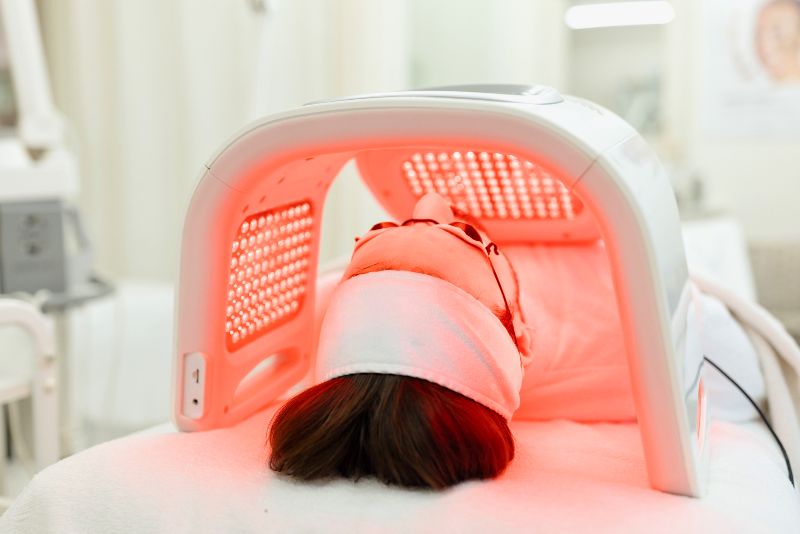
Light therapy, specifically Low-Level Laser Therapy (LLLT), has revolutionized how we approach skin repair by stimulating mitochondrial function. Red light wavelengths penetrate deep into the dermis, encouraging cells to produce more energy. This boost in cellular activity accelerates the repair of damaged tissues and stimulates the production of fresh collagen. Using red light therapy for sun damage allows for a non-invasive way to improve skin tone and reduce the appearance of fine lines without the downtime associated with more aggressive chemical peels or ablative lasers.
Blue Light Therapy for Sun Damage and Inflammation
While red light focuses on repair and anti-aging, blue light therapy plays a crucial role in managing inflammation and surface-level imperfections. Often used to target acne-causing bacteria, blue light also helps stabilize the skin’s oil production and soothe the redness that frequently accompanies chronic sun exposure. For patients dealing with actinic keratoses, precancerous sun spots, professional-grade blue light is often used in photodynamic therapy to selectively destroy damaged cells, providing a protective layer of care for your long-term skin health.
Choosing the Right Topical Cream for Sun-Damaged Skin
Topical interventions serve as the daily foundation for any restorative regimen. When searching for the most effective topical cream for sun damaged skin, we recommend the following:
- Prioritize Retinoids – Choose formulations containing retinol or prescription-strength tretinoin, as these derivatives of Vitamin A are clinically proven to stimulate collagen production and accelerate cell turnover to repair damaged texture.
- Incorporate Targeted Antioxidants – Look for serums or creams enriched with Vitamin E, or ferulic acid to neutralize free radicals and gradually brighten the appearance of hyperpigmented “liver spots.”
- Ensure Deep Hydration – Select products featuring hyaluronic acid or ceramides to restore the skin’s natural moisture barrier, which often becomes compromised and “leathery” after prolonged UV exposure.
- Use Niacinamide for Soothing – To manage persistent redness and strengthen the skin’s surface, choose creams containing Vitamin B3 (niacinamide) for its gentle anti-inflammatory and restorative properties.
- Daily Broad-Spectrum SPF – While not a repair cream in the traditional sense, applying sunscreen daily is the most critical step in protecting vulnerable skin from further skin damage and allowing existing treatments to work effectively.
Combining Light Treatments with Topical Therapies
The true magic happens when these two worlds collide. When you combine light therapies with high-quality topicals, you create a “1+1=3” effect. Light therapy increases local blood flow and cellular permeability, which can actually enhance the absorption and efficacy of your skincare products. Applying a potent antioxidant serum after a red light session can help neutralize free radicals more effectively. It is vital to follow professional guidance on timing, as some active ingredients like retinoids can make the skin more sensitive to certain light frequencies.
Professional vs. At‑Home Treatment Options
Deciding between professional clinical treatments and at-home devices depends on the severity of your sun damage and your personal lifestyle. Professional treatments typically utilize medical-grade equipment with higher intensities, offering faster and more dramatic results under the care of a specialist. At-home devices, while less powerful, provide the benefit of consistency and convenience. For many of our clients, a hybrid approach, starting with professional sessions to kickstart the healing process, followed by at-home maintenance, yields the most sustainable improvements.
Best Candidates for Combined Sun Damage Treatment Plans
The best candidates for a combined approach are individuals noticing early to moderate signs of photoaging, such as liver spots, a leathery texture, or a persistent dullness that doesn’t respond to moisturizers alone. If you have a history of significant sun exposure or are looking to proactively manage the signs of aging in a gentle yet effective way, this dual-modality plan is likely right for you. It is always important to consult with a professional to ensure your skin type and specific concerns are addressed with a safe protocol.
Contact Swinyer Woseth Dermatology
Swinyer Woseth Dermatology helps Salt Lake City and South Jordan, UT patients find effective treatments that work for them. Reversing years of sun exposure requires patience and a multifaceted strategy. By integrating the cellular stimulation of light therapy with the corrective power of specialized topicals, you provide your skin with every tool it needs to recover. Reach out to our team today to schedule a consultation.