
Under-Eye Cysts: When to Treat and What to Expect
Under-Eye Cysts: When to Treat & What to Expect in Salt Lake City, UT
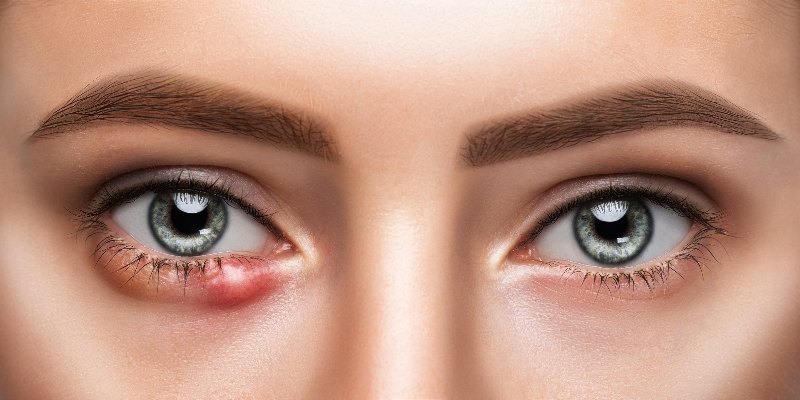
You wake up, glance in the mirror, and see a small, stubborn bump sitting right beneath your lower lash line. It isn’t a pimple, and it certainly isn’t a bug bite. It’s persistent, slightly firm, and no amount of concealer hides it effectively. If this sounds familiar, you might be dealing with a cyst under the eye. While these bumps are usually harmless, they can be cosmetically frustrating and occasionally uncomfortable. Because the skin around the eyes is incredibly delicate—some of the thinnest on the entire body—treating these bumps requires specialized care. Trying to handle them at home often leads to irritation or infection, turning a minor annoyance into a visible problem. At Swinyer Woseth Dermatology, we see patients from Salt Lake City and South Jordan every week who are looking for safe solutions for these stubborn bumps. Understanding what you are dealing with is the first step toward clear skin.
What Are Under-Eye Cysts?
A cyst under the eye is a closed pocket or sac of tissue that can form beneath the skin’s surface. These sacs can contain fluid, air, or semi-solid material, such as keratin (a protein found in skin, hair, and nails). Unlike a pimple, which is an infection of the pore involving bacteria and pus, a cyst is encapsulated. This means it has a distinct membrane separating it from the surrounding tissue. It is common to confuse under-eye cysts with other skin conditions. For example, milia are tiny, white bumps that appear when keratin becomes trapped beneath the skin’s surface. While technically small cysts, they behave differently from larger epidermoid cysts. Another common confusion is a stye (hordeolum) or a chalazion, which are specific to the eyelid and eyelash follicles rather than the delicate skin under the eye socket. True cysts in the under-eye area can range in size. Some remain small and barely noticeable, while others can grow large enough to obstruct vision or cause pressure. Identifying the specific type of growth is crucial because the treatment protocol for under-eye cysts varies depending on whether the bump is fluid-filled, solid, or infected.
What Causes a Cyst Under the Eye
If you have developed one of these bumps, your first question is likely, “What causes a cyst under the eye?” There isn’t one single answer, as different types of cysts have different triggers. However, most form when normal skin processes get interrupted.
- Blocked Oil Ducts: Your skin contains sebaceous glands that produce oil (sebum) to keep your skin hydrated. If the duct leading from the gland to the skin surface becomes blocked by dead skin cells, makeup, or thick skincare products, the oil backs up. The gland can swell and form a cyst.
- Trapped Keratin: As mentioned regarding milia, skin cells naturally shed and are replaced. Sometimes, these dead skin cells don’t slough off correctly. Instead, they get trapped in a pocket of skin, hardening into a small, pearl-like bump. This is a prevalent cause of bumps in the under-eye region.
- Sweat Gland Issues: Specifically around the eyes, you might develop something called a hidrocystoma. This is a cyst associated with sweat glands. In hot, humid weather or when you perspire heavily, the sweat glands can become obstructed, leading to a fluid-filled cyst that may appear translucent or bluish.
- Trauma or Injury: Sometimes, a minor skin injury—like a scratch or irritation from rubbing your eyes aggressively—can damage a hair follicle or an oil gland. This trauma can trigger the formation of a cyst as part of an abnormal healing response.
- Genetics: Unfortunately, some people are more prone to developing cysts than others. If your parents frequently dealt with under-eye cysts, you might find yourself more susceptible to them as well.
Under-Eye Cysts Treatment Options from a Dermatologist
The most important rule regarding under-eye cysts is simple: do not squeeze them. The skin here is paper-thin. Squeezing a cyst can rupture the sac underneath the skin, spreading inflammation and potentially causing a severe infection near your eye. It can also lead to permanent scarring or hyperpigmentation. Instead, seek professional treatment for under-eye cysts. At Swinyer Woseth Dermatology in Salt Lake City and South Jordan, we offer several methods to remove these cysts safely.
- Cortisone Injections: If the cyst is inflamed, red, and painful, we may not remove it immediately. Instead, a dermatologist might inject a diluted cortisone solution directly into the cyst. This reduces inflammation and causes the cyst to shrink, often providing relief within 24 to 48 hours.
- Incision and Drainage (I&D): For fluid-filled cysts, a dermatologist may perform a sterile incision and drainage. After numbing the area, a small incision is made to release the fluid. However, because the sac wall remains, the cyst could refill over time.
- Surgical Excision: This is the definitive under-eye cyst treatment. To prevent the cyst from coming back, the entire sac must be removed. This is a minor surgical procedure. The area is numbed with a local anesthetic. The dermatologist makes a tiny incision, removes the cyst contents and the sac wall, and then closes the skin with fine sutures. This ensures the cyst cannot refill.
- Laser Ablation: For smaller superficial cysts, such as milia, laser treatment can be a practical option. The laser creates a tiny opening in the skin to allow the keratin to be extracted, or it gently vaporizes the cyst tissue with minimal damage to the surrounding skin.
What to Expect During and After Treatment
Many patients feel anxious about having a procedure done so close to their eyes. Knowing what to expect can ease those nerves.
- During the Procedure: Most removal treatments are quick, often taking less than 20 minutes. You will be awake, but the area will be numb, so you shouldn’t feel pain—just a little pressure. Your dermatologist will likely cover your eyes or have you keep them closed to protect your vision from bright lights or instruments.
- Immediate Aftermath: Once the anesthesia wears off, you might feel a slight stinging sensation or tenderness. This is normal. There may be a small bandage or a dab of ointment over the site.
- The Healing Process: Recovery is generally fast. You might experience minor swelling or bruising for a few days—this is common, given the vascular nature of the under-eye area. If you received stitches, they will typically be removed within 5 to 7 days.
- Scarring: Dermatologists are trained to make incisions along the natural tension lines of your skin (such as the crow’s feet or natural under-eye creases) to hide potential scars. Over time, these tiny marks usually fade and become virtually imperceptible.
Prevention and Follow-Up Care
Once your under-eye cyst is treated, you want to ensure it doesn’t return. While you can’t change your genetics, you can adopt habits that keep your skin clear.
- Use Non-Comedogenic Products: Since blocked glands are a primary cause of cysts, look for eye creams and makeup labeled “non-comedogenic.” This means the product has been formulated not to clog pores. Heavy, oil-based concealers are common culprits for recurring issues.
- Gentle Exfoliation: Chemical exfoliants like retinoids or mild alpha-hydroxy acids (AHAs) can help speed up cell turnover, preventing dead skin from getting trapped. However, you must be extremely careful with these ingredients around the eye. Consult with your dermatologist at Swinyer Woseth before applying active ingredients to the eyelid or under-eye area.
- Sun Protection: Sun damage thickens the outer layer of the skin, which can make it harder for skin cells to shed naturally, leading to blockages. Wear sunglasses and use a mineral-based sunscreen safe for the eye area.
- Proper Hygiene: Always remove makeup before bed. Leaving mascara, eyeliner, or concealer on overnight significantly increases the risk of blocking follicles and glands.
Clearer Skin is Within Reach
An under-eye cyst can be a persistent nuisance, but you don’t have to live with it. Trying to wait it out or treat it yourself often leads to frustration and potential scarring. Professional care ensures that the cyst is removed safely, effectively, and with the best cosmetic result possible. If you are in the Salt Lake City or South Jordan area and are tired of seeing that bump in the mirror, let us help. We can determine exactly what type of cyst you have and outline the best path to get rid of it for good. Contact Swinyer Woseth Dermatology today to schedule your consultation and restore your skin’s smoothness.