Chemical Peels: Which Peel Suits Each Skin Type and Concern?
Achieving a bright, clear complexion can sometimes feel like a moving target. Sun exposure, aging, and daily environmental stressors leave their mark on our faces, leading to fine lines, acne scars, and uneven pigmentation. While daily skincare routines provide a strong foundation, they often lack the power needed to erase deeper blemishes and restore a truly youthful glow. This is where professional dermatological treatments step in. By applying carefully formulated acid solutions to the skin, dermatologists can safely remove damaged outer layers to reveal the fresh, healthy skin underneath. This process encourages cellular turnover and stimulates collagen production, resulting in a noticeably smoother texture. Understanding the different types of chemical peels is essential for achieving the best possible results. If you live in Salt Lake City or South Jordan, UT, our experts at Swinyer Woseth Dermatology are ready to help you navigate these options. Below, we explain the different types of facial chemical peels and how to choose the right one for your specific concerns.
What Are Chemical Peels?
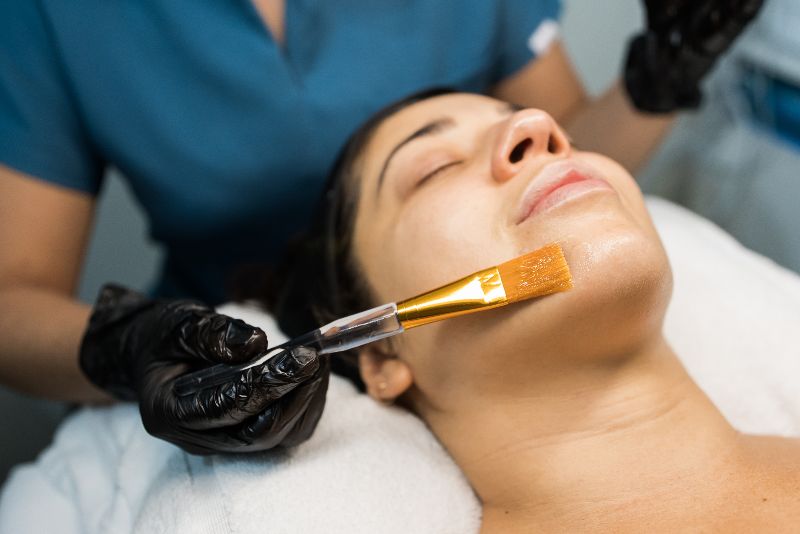
A chemical peel is a clinical skin-resurfacing procedure. During the treatment, a dermatologist applies a specific chemical solution to your face, neck, or hands. This solution intentionally causes the outermost layers of dead skin to peel away. The skin that grows back is generally smoother, tighter, and more radiant than the old skin. Dermatologists use these treatments to address a wide variety of cosmetic and medical skin concerns. Patients frequently request them to reduce the appearance of wrinkles, correct uneven skin tone, and smooth out depressed acne scars. Because the acid’s strength and formulation can be adjusted, treatments are highly customizable.
Overview of Chemical Peel Types
Not all peels are created equal. Dermatologists categorize chemical peels by the depth of penetration. The three primary depths are light, medium, and deep. Light chemical peels, also known as superficial peels, gently exfoliate the outermost layer of the skin (the epidermis). Dermatologists typically use alpha-hydroxy acids (AHAs), such as glycolic acid or lactic acid, or beta-hydroxy acids (BHAs), such as salicylic acid. A light peel is an excellent choice for treating fine lines, mild acne, uneven skin tone, and dryness. You can often schedule these treatments during your lunch break, as they require minimal downtime. Medium chemical peels reach the outer and middle layers of the skin (the dermis). Providers usually apply trichloroacetic acid (TCA) or high-percentage glycolic acid to achieve this depth. Medium peels effectively treat deeper wrinkles, moderate acne scars, and more pronounced skin discoloration.
Types of Deep Chemical Peels and Advanced Resurfacing
When skin damage is severe, dermatologists may recommend a deep peel. The types of deep chemical peels available typically utilize phenol or a very high concentration of TCA. These strong solutions penetrate the lower dermal layer of the skin, offering dramatic, long-lasting improvements. Deep chemical peels are highly effective for treating deep-seated wrinkles, severe sun damage, prominent scars, and even precancerous growths (actinic keratoses). Because the treatment is so intensive, patients generally only receive a deep peel once. The procedure requires careful medical supervision, and providers often administer a local anesthetic or sedative to ensure your comfort.
Matching Chemical Peel Types to Skin Type
Selecting the right treatment requires a careful evaluation of your skin type and your specific dermatological goals. Using the wrong acid formulation can lead to irritation or subpar results. Here is a general guide on how experts match chemical peel types to different complexions:
- Oily and Acne-Prone Skin: Salicylic acid (a BHA) is highly effective for acne-prone skin because it is oil-soluble. It penetrates deep into the pores to dissolve sebum, clear blockages, and reduce inflammation.
- Dry and Sensitive Skin: Lactic acid is a gentle AHA derived from milk. It exfoliates the surface while simultaneously drawing moisture into the skin, making it a safe choice for sensitive or easily irritated complexions.
- Hyperpigmentation and Uneven Tone: Glycolic acid peels and medium-depth TCA peels effectively lift away dark spots, melasma, and freckles.
- Aging and Sun-Damaged Skin: Patients seeking to reverse significant signs of aging often benefit most from medium- to deep-peel treatments. These treatments stimulate robust collagen production, which helps tighten loose skin and fill deep wrinkles.
Recovery Time and Safety Considerations for Chemical Peels
Recovery experiences vary widely depending on the depth of the treatment. Light peels usually cause mild redness and light flaking that resolves within a few days. You can generally wear makeup the next day and resume normal activities immediately. Medium peels require more patience. Expect noticeable redness, swelling, and skin crusting for about seven to 14 days. As the old skin sheds, you must resist the urge to pick or peel the flakes, as this can cause scarring. Deep peels involve a significant recovery period. Patients experience severe swelling, redness, and crusting that can last for two to three weeks. Your dermatologist will provide strict aftercare instructions, including the use of special ointments and dressings to protect the healing skin. Regardless of the peel depth, your skin will be highly sensitive to the sun following the procedure. Daily application of a broad-spectrum sunscreen is absolutely critical to protect your fresh skin and prevent new hyperpigmentation.
When Professional Chemical Peels Are Recommended
While you can purchase mild exfoliating acids at the drugstore, these over-the-counter products only offer surface-level results. They lack the concentration required to address stubborn scarring, deep wrinkles, or severe sun damage. Professional treatments provide a level of safety and efficacy that at-home products cannot match. A board-certified dermatologist understands the complex chemistry of these acids and knows exactly how long to leave them on the skin to prevent burns or complications. If you are struggling with persistent skin issues that do not respond to standard skincare routines, it is time to seek professional advice.
Take the Next Step Toward Radiant Skin
Choosing the right chemical peel can completely transform your complexion, boosting your confidence and improving your overall skin health. By consulting with a skilled dermatologist, you can ensure that your treatment is perfectly tailored to your unique needs and skin type. If you are ready to explore the different types of facial chemical peels, our team is here to guide you. Contact us today to schedule a comprehensive consultation. We will assess your skin, discuss your aesthetic goals, and create a customized treatment plan to help you achieve the bright, flawless skin you deserve.