
Early Warning Signs of Melanoma Patients Often Miss
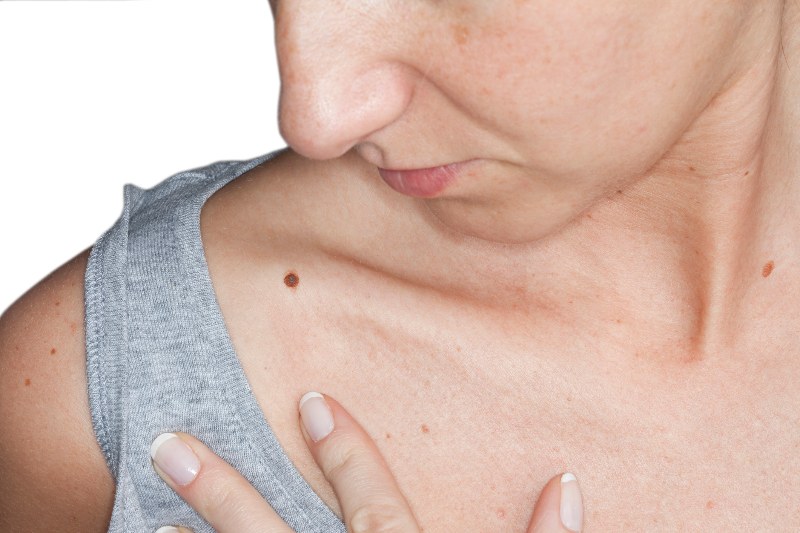
Melanoma is frequently described as the most serious form of skin cancer, yet it is also highly treatable when identified in its earliest stages. The challenge for many patients lies in the fact that early-stage melanoma can be incredibly subtle, often masquerading as a common mole or a harmless freckle. Because these malignant changes don’t always cause pain or dramatic physical shifts immediately, they can be easily overlooked during a busy daily routine. Understanding that melanoma is a quiet but progressive condition is the first step toward proactive health management. By learning to identify the minute transitions in your skin’s landscape, you empower yourself with the best possible opportunity for successful intervention.
What Are the Early Warning Signs of Melanoma?
While we often imagine skin cancer as a dark, protruding growth, this isn’t always the reality. In its infancy, melanoma may not look dramatic at all. The primary difference between an early melanoma and a benign mole is often found in the “personality” of the spot, as melanomas tend to lack the symmetry and consistent coloring found in healthy moles. Many patients delay evaluation because they expect a lesion to be painful or large before it becomes a threat. Malignant cells can begin to cluster in ways that mimic normal skin features, making it vital to look past the surface and monitor for any deviation from your skin’s “normal.”
The ABCD Warning Signs of Melanoma (And Why They Matter)
To help patients navigate their self-exams, dermatologists utilize the ABCD warning signs of melanoma. This mnemonic serves as a critical guide for identifying lesions that require professional scrutiny:
- A – Asymmetry – Unlike benign moles, which are typically round or oval, one half of a melanoma often does not match the other.
- B – Border – Look for edges that are irregular, scalloped, notched, or poorly defined. A healthy mole usually has a smooth, distinct boundary.
- C – Color – While a standard mole is usually a single shade of brown, early warning signs of malignant melanoma often include a variety of colors, such as different shades of brown, black, tan, or even splashes of red, white, and blue.
- D – Diameter – While many melanomas are larger than 6mm (about the size of a pencil eraser), it is important to remember they can be smaller.
- E – Evolving – Perhaps the most important factor is change. If a spot is growing, changing shape, or shifting in color, it demands immediate attention.
Early Warning Signs of Melanoma Patients Often Overlook
Beyond the standard ABCD checklist, there are several subtle warning signs of melanoma skin cancer that patients frequently miss. These include:
- The “Ugly Duckling” Sign – Be mindful of any new spot that simply doesn’t match the pattern of other moles on your body; if it looks like an outlier, it deserves professional attention.
- Subtle Color Shifts – You should be wary of minor color changes that occur within a lesion, even if there is no noticeable increase in the overall size.
- Physical Sensations – Pay close attention to lesions that begin to itch, bleed, or feel tender to the touch, as these physical symptoms can signal changes beneath the surface.
- Hidden Locations – Melanoma can hide in plain sight, developing under fingernails, on the scalp, or even on the soles of the feet, areas that are often overlooked during routine self-examinations.
Warning Signs of Melanoma Skin Cancer by Body Location
The presentation of melanoma can vary significantly depending on its location. While many cases appear on sun-exposed areas like the back, legs, and arms, others manifest on non-sun-exposed skin. This diversity underscores the critical importance of performing regular, full-body skin exams, including the use of mirrors to see your back and scalp, to ensure no area is left unchecked. Remember to always look at the following places:
- Sun-Exposed Areas (Back, Legs, Arms) – These are the most common sites for melanoma. Look for any new or existing moles that change in shape, develop irregular borders, or show multiple colors.
- Acral Lentiginous Melanoma (Palms, Soles, and Nails) – Often appearing as a dark streak under a fingernail or toenail, or as a bruise-like spot on the palms of the hands or soles of the feet, this form is more common in individuals with darker skin tones and may be easily overlooked.
- Mucosal Melanoma (Internal Membranes) – Though rare, melanoma can develop in the moist linings of the body, such as the nasal cavity, mouth, or other mucosal surfaces. Be mindful of any unexplained discoloration or persistent sores in these areas.
- The Scalp and Hidden Crevices – Because hair can obscure these lesions, it is vital to have a partner or stylist check your scalp for any unusual growths or persistent scabbing.
- Ocular Melanoma (Eyes) – While less common, changes in vision or the appearance of a new dark spot on the iris should be evaluated by a specialist, as melanoma can also manifest within the eye.
When to See a Dermatology Professional
If you notice a spot that meets any of the criteria mentioned above, do not wait for it to “clear up” on its own. While it is natural to feel a sense of anxiety when discovering a new lesion, a professional skin exam is a straightforward and empathetic process. Your dermatologist will use specialized tools, such as a dermatoscope, to look deep into the pigment patterns of the skin. Early evaluation is not just about diagnosis. It is about providing you with peace of mind or a clear, manageable path forward. Most skin checks are quick, non-invasive, and can ultimately be life-saving.
Contact Swinyer Woseth Dermatology
Swinyer Woseth Dermatology provides skin cancer treatment in Salt Lake City and South Jordan, UT. Awareness is your most powerful tool in the fight against skin cancer. By understanding the early warning signs of melanoma and performing routine self-exams, you are taking an active role in your long-term wellness. Remember, you know your skin better than anyone else. If something feels “off” or looks different than it did a few months ago, trust your instincts and schedule a professional check-up. Taking a moment to examine your skin today is a simple act that ensures a healthier, safer tomorrow.