
Preventing and Treating Stretch Marks: Myths vs. Medical Solutions
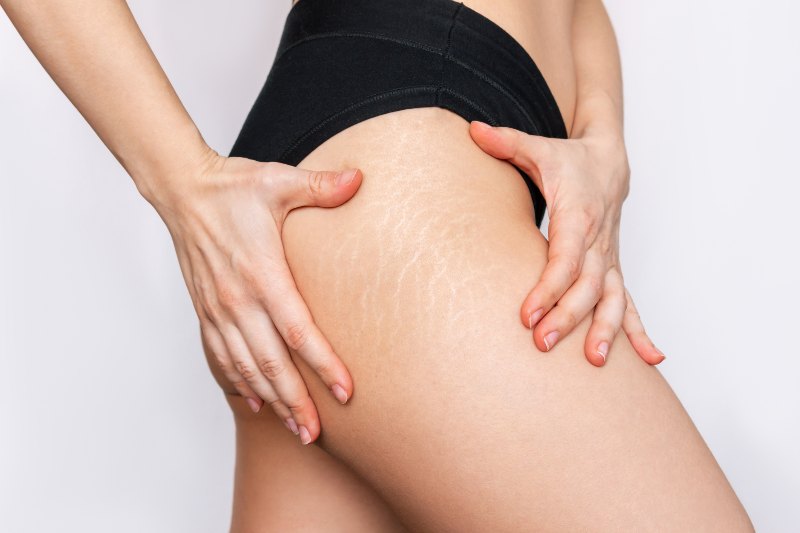
Explore the Myths of Stretch Mark Treatments
There are several rumors and myths about how to handle skin changes, especially stubborn stretch marks. You might hear that specific expensive creams can erase marks overnight or that genetics determines your skin’s fate entirely. The truth is much more encouraging because modern dermatology offers real results backed by science. You can take control of your skin health by separating common myths from proven medical facts. Swinyer Woseth Dermatology provides effective stretch mark treatment for patients in Salt Lake City and South Jordan, UT. Our team uses advanced technology to help smooth your skin and boost your confidence. Explore the reality of skin care below to see how professional solutions differ from DIY trends. These medical options provide a clear path to the vibrant, clear skin you deserve.
What Are Stretch Marks?
Stretch marks are visible lines that develop when skin stretches faster than its supportive structure can adjust. Rapid growth, pregnancy, muscle building, and weight changes are common triggers of this process. The skin’s middle layer, called the dermis, contains collagen and elastic fibers that give skin strength and flexibility. When these fibers stretch beyond their limit, small tears form beneath the surface. Over time, these changes appear as narrow bands that may look pink, purple, red, or even lighter than the surrounding skin. Texture often feels different as well. Stretch marks can appear on the abdomen, hips, thighs, breasts, arms, or lower back. They occur in people of all ages and body types.
Common Causes and Risk Factors of Stretch Marks
There are specific life stages, health factors, and physical changes that affect how skin responds to stretching. While some people notice marks more easily than others, several shared risk factors increase the likelihood of their appearance. Understanding these causes helps clarify why professional care can make a difference and how early action supports better outcomes. Knowledge guides conversations about the timing of prevention and treatment for stretch marks, which often work best when tailored to the cause and skin type. Below are the most common factors linked to stretch mark development:
- Pregnancy – Hormonal shifts and abdominal growth place steady tension on the skin. The risk increases during the second and third trimesters as the skin stretches more rapidly.
- Rapid Weight Changes – Quick weight gain or loss forces skin to adjust faster than collagen fibers can respond. This process commonly affects the abdomen, thighs, hips, and arms.
- Growth Spurts During Adolescence – Teenagers often experience sudden height and muscle changes. Skin may struggle to keep up during these periods of fast physical development.
- Genetics – Family history influences skin elasticity and collagen strength. Some people inherit skin that forms stretch marks more easily.
- Muscle Building – Intense strength training can increase muscle mass quickly. The surrounding skin stretches to accommodate growth, especially on the shoulders and chest.
- Medical Conditions or Medications – Certain hormonal disorders and long-term steroid use affect skin structure. These factors reduce elasticity and increase the dermis’s vulnerability to tearing.
Myths About How to Prevent Stretch Marks
Many ideas circulate about how to avoid stretch marks, especially during times of rapid body changes. Clear information helps people focus on methods that support real skin health. Hydration, nutrition, and steady skincare habits play a role, but no single product ensures complete prevention. Conversations about how to prevent stretch marks during pregnancy often include opinions that sound helpful but do not reflect how the skin truly functions. The myths below explain common misunderstandings and offer clarity:
- Moisturizers Can Completely Prevent Stretch Marks – Moisturizers keep skin soft and comfortable, but they cannot stop the deeper layers from stretching. The dermis determines whether marks form, and lotion cannot control changes within that layer.
- Only People With Dry Skin Get Stretch Marks – Stretch marks can appear on any skin type because elasticity varies from person to person. Oilier or well-hydrated skin does not guarantee that marks will not form.
- Drinking Extra Water Prevents Stretch Marks – Good hydration supports overall skin health, but water intake cannot override genetics or rapid growth. Stretch marks relate more to internal skin structure than daily fluid levels.
- Stretch Marks Can Be Avoided By Using One Specific Product – No single cream or oil can fully protect the skin from stretching during pregnancy or fast physical changes. Consistent care may help, but product claims often overlook the complexity of skin biology.
- Exercise Prevents Stretch Marks – Exercise supports wellness, yet it cannot control how collagen fibers respond to stress in the dermis. Sudden muscle growth may even contribute to stretching in certain areas.
How to Prevent and Treat Stretch Marks
Skin responds best to steady care, consistent hydration, and medically guided treatment when stretch marks first appear. Many people want a clear plan that supports prevention and improvement, especially during times of rapid physical change. Healthy habits strengthen the skin’s structure, while professional care targets existing marks. Each option serves a different purpose, so timing matters. Treatments for stretch marks work well when paired with regular skincare, lifestyle awareness, and expert guidance. The steps below outline simple ways to protect skin and encourage smoother, firmer texture over time:
- Keep Skin Hydrated With Daily Moisturizers – Hydrated skin stretches more comfortably and feels healthier during periods of physical change. Regular use of gentle, medical-grade moisturizers supports elasticity and comfort.
- Support Skin With Balanced Nutrition – Healthy foods rich in vitamins and minerals help collagen remain strong. Consistent nutrition encourages the skin to respond better to stretching.
- Maintain Steady Weight Patterns – Gradual changes reduce strain on collagen fibers. Skin adapts more easily when shifts in muscle or body size happen at a moderate pace.
- Use Sun Protection Every Day – UV exposure can affect skin quality and make existing marks more noticeable. Daily sunscreen helps maintain an even tone and supports long-term skin strength.
- Consider Professional Treatments When Marks Appear – Laser therapy, micro-needling, and radiofrequency-based care focus on improving texture and tone within the deeper layers. These treatments encourage collagen renewal and may lighten visible lines.
When Stretch Mark Treatment Is Most Effective
Stretch mark treatment produces the strongest results when care begins while marks are still in their early stages. Fresh marks often appear pink, red, or purple, signaling active changes in the skin. During this phase, collagen fibers respond well to medical treatments that support repair and renewal. Early intervention helps limit long-term texture changes and encourages smoother skin as the marks mature. Established marks can still improve with professional care, especially with laser therapy or micro-needling, but they may require additional sessions to reach the desired outcome. Consistent skincare, regular follow-up visits, and steady sun protection also support better results.
Why Professional Evaluation Matters
A dermatologist can determine whether marks are early or mature and assess whether the surrounding skin responds to treatment. This assessment guides decisions about timing, technique, and product selection. Skin tone, texture, and medical history also influence results, and these details often go unnoticed without trained evaluation. Professional guidance helps align expectations with achievable outcomes and supports safe, effective care. Treatment plans may include in-office procedures, targeted skincare, or a combination of both. Ongoing evaluation allows adjustments as the skin changes, which supports steady improvement and healthier skin overall.
Enjoy Smoother, Healthier Skin
Choosing clinical expertise over myths ensures your skin receives the safest and most effective care available. Our dermatologists understand the complex biology of scar tissue and provide personalized plans on how to prevent and treat stretch marks. We prioritize your comfort and goals throughout the entire process. Scheduling a consultation allows our specialists to assess your skin type and recommend the ideal intervention for your specific needs. Contact Swinyer Woseth Dermatology today to begin your journey toward smoother skin.