
Hormonal Acne in Adults: Treatments Beyond Bactrim
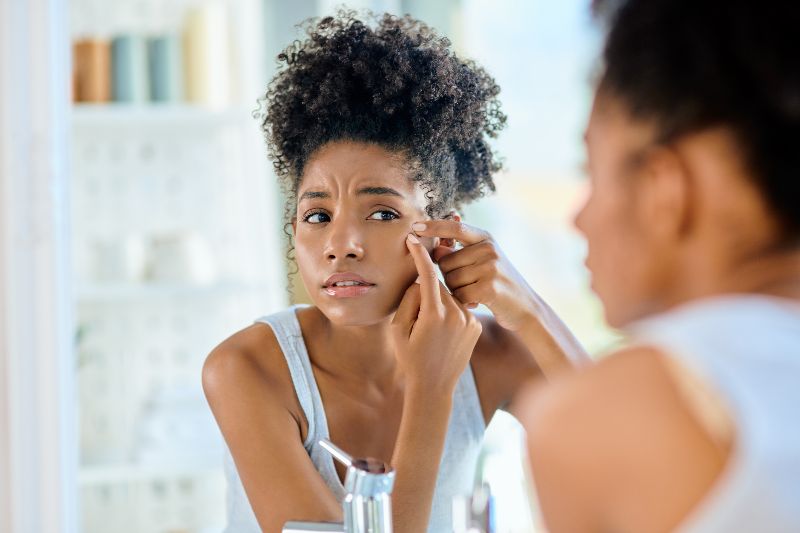
Many people believe that breakouts are something you leave behind in your teenage years. Unfortunately, reality often paints a different picture. Dealing with stubborn breakouts well into your twenties, thirties, or beyond can be incredibly frustrating. For most adults, the underlying cause of these persistent breakouts is hormonal fluctuations. If you want clear skin that lasts, you need a targeted approach. As you read below, we will help you understand the connection between hormones and acne in adults. We will explore effective, long-lasting treatment options that go beyond temporary antibiotic use, helping you achieve a consistently clear complexion. For a consultation, feel free to contact us today at Swinyer Woseth Dermatology in Salt Lake City and South Jordan, UT.
Understanding Hormones and Acne in Adults
To treat your skin effectively, you must understand what causes the breakouts in the first place. The relationship between hormones and acne in adults is deeply intertwined with your body’s natural chemistry. Specifically, hormones called androgens stimulate your sebaceous glands. When these glands overproduce oil, the excess sebum mixes with dead skin cells, trapping bacteria in your pores. Adult hormonal acne in women is especially common. Female bodies go through continuous hormonal shifts during menstrual cycles, pregnancy, and perimenopause. These shifts frequently trigger painful, deep-seated cystic acne, usually concentrated along the jawline, chin, and lower cheeks. Men can also experience adult acne, but women are disproportionately affected by these cyclical flare-ups.
Why Antibiotics Like Bactrim Are Not a Long‑Term Solution
Bactrim is a sulfa-based antibiotic that dermatologists sometimes prescribe to bring severe acne under control quickly. It works by killing the bacteria that cause inflammation. Patients often see dramatic improvements in their skin within a few weeks of starting the medication. Despite these initial results, antibiotics are not a permanent cure. Prolonged use of antibiotics like Bactrim can lead to antibiotic resistance, meaning the medication will eventually stop working.
Long-term antibiotic use can also disrupt your gut microbiome, leading to digestive issues and other health complications. Bactrim does absolutely nothing to address the underlying hormonal imbalances that cause excess oil production. Once you stop taking the pill, the acne almost always returns.
Treating Hormonal Acne in Adults Without Antibiotics
Since antibiotics often serve as a temporary fix, modern dermatological strategies prioritize sustainable results by integrating topical treatments with internal hormone regulation. This multifaceted approach addresses both the surface symptoms and the systemic triggers through several key methods:
- Topical Retinoids: Medications like tretinoin or tazarotene accelerate skin cell turnover to keep pores clear and prevent new clogs from forming.
- Anti-Inflammatory Topicals: Topical dapsone (Aczone) is frequently used to reduce localized redness and swelling significantly.
- Androgen Blockers: Innovative treatments like Clascoterone (Winlevi) target skin receptors to block the overproduction of sebum at its source.
- Systemic Balancing: When topical options are not enough, Spironolactone serves as a gold standard by blocking androgen receptors throughout the body, while specific oral contraceptives help stabilize overall hormone levels and lower circulating androgens.
Lifestyle Factors That Influence Hormonal Acne
Medications play a primary role in clearing your skin, but your daily habits also matter. Lifestyle choices can heavily influence your hormone levels and overall inflammation. Diet is a common trigger for many adults. High-glycemic foods, such as sugary snacks and refined carbohydrates, cause rapid spikes in blood sugar. This triggers an insulin response, which in turn increases androgen production.
Additionally, some people find that dairy products exacerbate their breakouts due to the natural hormones present in cow’s milk. Stress is another major factor. When you experience chronic stress, your adrenal glands produce excess cortisol. Cortisol triggers your skin’s sebaceous glands to produce more oil, creating the perfect environment for a breakout. Prioritizing sleep, regular exercise, and stress management can significantly support your acne treatment.
How to Treat Hormonal Acne in Adults Long Term
Figuring out how to treat hormonal acne in adults isn’t a one-size-fits-all approach. A long-term strategy requires patience and consistency. Hormonal treatments like Spironolactone or oral contraceptives typically take three to six months to show their full effect. Consistency in your daily skincare routine is crucial. You must use your prescribed topicals exactly as directed and avoid harsh, stripping cleansers that damage your skin barrier. As you age, your hormones will naturally continue to shift. A treatment plan that works perfectly in your twenties might need to be adjusted in your late thirties. Regular check-ins with a skincare professional ensure your routine evolves alongside your body.
When to Seek Dermatologic Care for Hormonal Acne
If you have tried over-the-counter salicylic acid or benzoyl peroxide for several months with no improvement, it is time to seek professional help. You should also book an appointment if your acne is leaving behind deep scars, dark marks, or taking a toll on your mental health and self-esteem. Deep cystic acne rarely responds to drugstore products and requires prescription-strength intervention to prevent permanent scarring. Residents of Utah do not have to struggle with these stubborn breakouts alone. Our team at Swinyer Woseth Dermatology, conveniently located in Salt Lake City and South Jordan, UT, specializes in customized acne management.
Take Control of Your Skin Today
Adult acne can feel incredibly isolating, but you have options beyond temporary antibiotics. By understanding the root causes and utilizing targeted topical and hormonal therapies, you can achieve the clear, healthy skin you deserve. Stop relying on short-term fixes that leave you frustrated. If you are ready to find a comprehensive treatment plan tailored to your unique skin type and health history, reach out to the experts. Contact us today to schedule your consultation and take the first step toward lasting clarity.