Laser Treatments for Vascular Lesions and Rosacea
Laser Treatments for Vascular Lesions and Rosacea
Dealing with persistent facial redness, noticeable broken blood vessels, or unpredictable skin flushing can be frustrating. However, medical technology offers safe and effective ways to address the root causes of skin discoloration. Laser treatments for vascular lesions and rosacea have become a trusted, highly requested option for patients seeking to reduce redness and restore a smooth, even complexion. By using concentrated light, dermatologists can target the problematic blood vessels directly beneath the skin’s surface without harming the surrounding tissue.
Understanding Vascular Lesions and Rosacea
Vascular lesions and rosacea are two distinct issues, though they often share similar visual symptoms. Vascular lesions are abnormalities of the blood vessels directly beneath the skin. They can take many forms, including spider veins, port-wine stains, cherry angiomas, and broken capillaries. These marks can appear anywhere on the body, though they’re most bothersome when they show up on the face, neck, or chest. They happen when blood vessels become enlarged or cluster together abnormally, creating a visible red, purple, or blue mark on the skin.
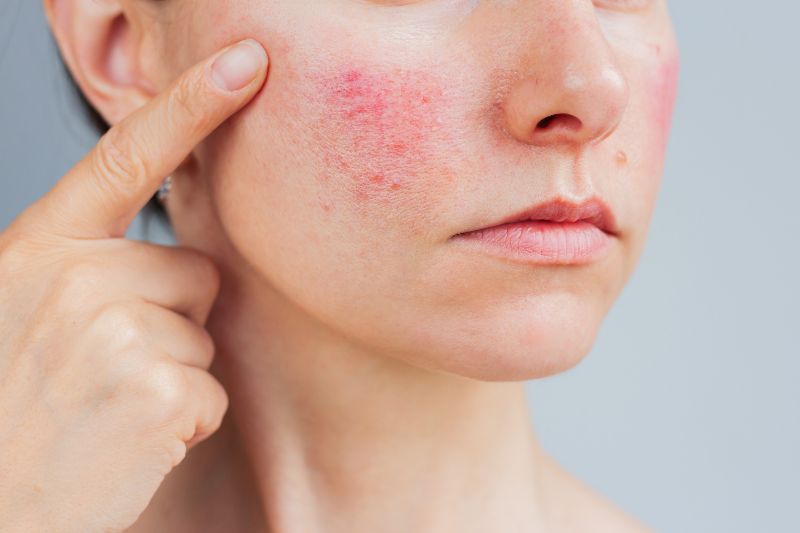
Rosacea, on the other hand, is a chronic inflammatory skin condition. It typically begins as a tendency to flush or blush easily. Over time, this progresses to persistent redness in the center of the face, particularly across the cheeks, nose, forehead, and chin. Many people with rosacea also develop visible blood vessels and acne-like bumps. While the exact cause of rosacea remains unknown, flare-ups are frequently triggered by sun exposure, extreme temperatures, spicy foods, hot drinks, and stress.
How Laser Treatment for Vascular Lesions Works
Laser treatment for vascular lesions uses specific wavelengths of light designed to target the red pigment (hemoglobin) inside your blood vessels. When the dermatologist directs the laser at the lesion, the light passes safely through the outer layer of your skin. The targeted blood vessels absorb this intense energy, which quickly turns into heat. This controlled heat damages the walls of the problematic veins, causing them to shrink and seal shut.
Once the vessel is closed off, blood no longer flows through it, and the red or purple color disappears. Over the following weeks, the lymphatic system gradually absorbs and flushes away the remnants of the destroyed vessel, leaving you with clear, healthy-looking skin.
Laser for Vascular Lesions vs. Other Treatments
Topical creams and oral medications are sometimes prescribed for skin redness, but they only manage symptoms. They can’t physically remove a broken capillary or a birthmark. Sclerotherapy is another medical option where a doctor injects a chemical solution directly into a vein to collapse it. While highly effective for larger varicose veins on the legs, sclerotherapy is often too aggressive and difficult to perform on the tiny, delicate blood vessels of the face.
Lasers provide a non-invasive alternative. They offer incredible precision, allowing the dermatologist to trace the exact outline of a spider vein without damaging the healthy skin next to it. Because there are no needles or incisions, the risk of infection is incredibly low, and the recovery process is much simpler.
How Laser Treatment for Rosacea Works
Because rosacea involves widespread inflammation and a dense network of tiny blood vessels, laser treatment for rosacea focuses on calming the skin and reducing overall redness. Our dermatologists use Pulsed Dye Lasers (PDL) or high-powered green light lasers for this condition. The laser energy is delivered in quick, gentle pulses over the affected areas of the face. Similar to the treatment for isolated lesions, the laser targets the expanded blood vessels responsible for the persistent facial flushing.
By shrinking these prominent vessels, the laser effectively reduces the background redness of rosacea. Additionally, the heat from the laser can help stimulate collagen production in the skin. This mild collagen boost can improve the overall texture and thickness of the skin, making it harder for new blood vessels to show through in the future. While it’s not a permanent cure for the chronic condition, regular sessions can keep rosacea symptoms well under control.
Side Effects of Laser Treatment for Rosacea
Patient safety is always a top priority, and understanding the potential side effects of laser treatment for rosacea is a key part of the process. Immediately following the procedure, most patients experience a sensation similar to a mild sunburn. Your face will likely look flushed, and the treated areas might feel warm and slightly tender. This is a normal inflammatory response and usually subsides within a few hours to a couple of days.
In some cases, you might notice mild swelling, particularly if the treatment occurred near the delicate eye area. Occasional bruising can also happen, especially when treating larger visible blood vessels. We recommend applying cool compresses to manage these temporary side effects. Strict sun avoidance and the daily use of a broad-spectrum SPF 30+ sunscreen are mandatory during recovery to protect the healing skin and prevent hyperpigmentation.
What to Expect From Vascular Lesion Removal
If you decide to move forward with vascular lesion removal, knowing what to expect can help ease any anxiety. During the procedure, you’ll wear protective eyewear. As the dermatologist guides the laser handpiece over your skin, you’ll feel a warming or tingling sensation. Many patients compare the sensation of the laser pulses to a small rubber band snapping lightly against the skin. Because the discomfort is generally mild, topical numbing creams are rarely necessary. Some advanced lasers even feature built-in cooling mechanisms that spray a burst of cold air onto the skin right before the laser fires, ensuring your comfort.
The duration of the appointment depends on the size of the area being treated, but most sessions are completed in under 30 minutes. You can usually apply makeup immediately afterward and return to your normal daily activities. Keep in mind that optimal results rarely happen overnight. Your body needs time to reabsorb the treated vessels. Most patients require an initial series of three to five treatments, spaced several weeks apart, to achieve their desired level of clearance.
Who Is a Good Candidate for Laser Treatment?
Laser therapy is highly versatile, but it’s not universally suitable for everyone. The best candidates for these procedures are individuals with fair to medium skin tones. Because the laser targets pigment, dark skin tones can sometimes absorb too much of the laser energy, increasing the risk of burns or permanent changes in skin color.
Good candidates should also be in good health and have realistic expectations about the outcomes. Lasers can dramatically reduce redness and clear away lesions, but they don’t stop the aging process or cure the underlying genetics of rosacea. Patients who are pregnant, taking certain acne medications like Accutane, or those with a history of severe scarring or keloids might need to explore alternative options.
Reclaim Your Confidence With Laser Treatment
Living with visible facial veins and chronic redness can take a toll on your self-confidence. Fortunately, advanced laser therapies offer a non-invasive path to a clearer, more even complexion. By understanding the technology and knowing what to expect from the recovery process, you can make an informed decision about your dermatological care.
If you’re tired of hiding behind makeup and want to address your skin concerns directly, contact Swinyer Woseth Dermatology to connect with one of our board-certified dermatologists in Salt Lake City and South Jordan, UT. They can evaluate your unique skin profile, discuss your goals, and create a customized treatment plan to help you feel comfortable and confident in your own skin.