
Under-Eye Hollows: Filler vs. Surgery–What’s Best for You?
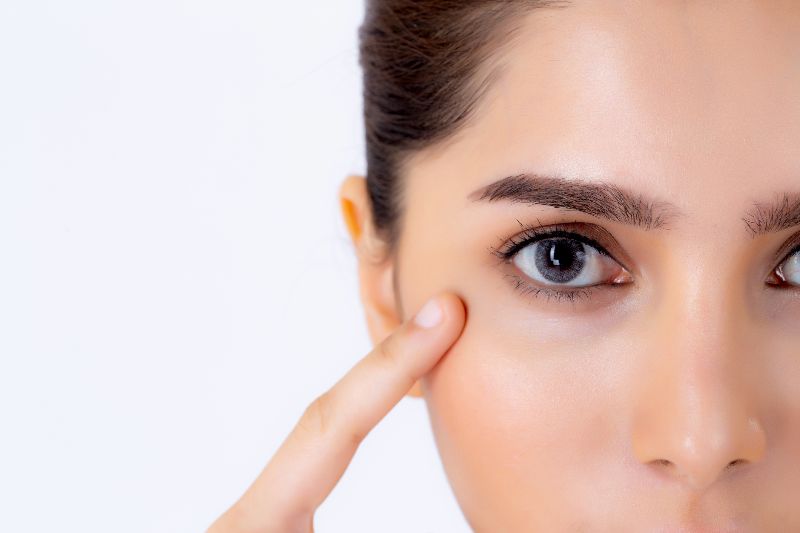
Under-Eye Hollows: Comparing Filler vs. Surgery
Have you ever looked in the mirror after a full night of rest, only to see a tired expression staring back at you? Shadows and sunken areas beneath the eyes can easily misrepresent how energetic you feel. This drives many people to seek cosmetic solutions to refresh their appearance and restore a youthful glow.
Understanding how to fix under-eye hollows comes down to evaluating two highly effective paths. The first is a quick, minimally invasive approach utilizing modern injectables, while the second involves a more permanent surgical correction. Both offer distinct advantages, depending on your unique facial anatomy, the severity of your concerns, and your personal aesthetic goals.
What Are Under-Eye Hollows?
Under-eye hollows are the deep creases that form between your lower eyelid and upper cheek. As we age, the delicate skin in this area naturally loses its elasticity and thickness. At the same time, the fat pads that support the mid-face begin to shift or deplete. This combination creates a noticeable depression that casts dark shadows, mimicking the look of dark circles or extreme fatigue.
Aging isn’t the sole cause of these sunken areas. Genetics and natural facial anatomy play a role in how and when they develop. Some individuals notice these shadows in their twenties simply due to their bone structure. Regardless of the underlying cause, the resulting lack of volume can make you appear much older or more exhausted.
How to Fix Under-Eye Hollows Without Surgery
Many patients prefer to explore non-surgical routes before committing to a permanent operation. Non-surgical methods primarily focus on camouflaging depressions by adding volume to the targeted area. These quick, in-office procedures require virtually no downtime, allowing you to return to your normal daily activities almost immediately. The primary tool used for this kind of non-invasive correction is the strategic injection of specialized gels.
Under-Eye Hollow Treatment With Dermal Fillers
The most common under-eye hollow treatment involves using hyaluronic acid-based injectables. Hyaluronic acid is a naturally occurring substance in the body that helps maintain moisture and tissue hydration. When formulated into a gel, it acts as a soft, pliable cushion beneath the skin.
Using dermal fillers for hollow under eyes instantly plumps the tear trough area. A skilled aesthetician carefully injects the material to smooth the transition between the lower eyelid and the upper cheek. This effectively lifts the depressed skin, banishing the dark shadows caused by the hollows. The results are visible immediately, offering a fast and satisfying cosmetic improvement.
While fillers are highly effective, their results are temporary. The body gradually absorbs the hyaluronic acid over time. Most patients enjoy their refreshed look for six to 12 months before requiring a maintenance appointment. Additionally, fillers can’t tighten loose skin or remove bulging fat pads.
Under-Eye Hollow Surgery: A Permanent Solution to Sagging
For individuals seeking a permanent solution or those with pronounced sagging, under-eye hollow surgery, clinically known as lower blepharoplasty, is often the recommended path. This oculofacial plastic surgery addresses the deeper structural changes that injectables can’t fix.
During blepharoplasty, a board-certified surgeon makes discreet incisions, usually hidden within the natural creases of the eyelids. Through these small openings, the surgeon can remove excess loose skin, reposition shifting fat pads, and tighten weakened muscles. By fundamentally altering the underlying anatomy, the surgery creates a smooth, alert, and youthful contour.
Filler vs. Under-Eye Hollow Surgery: Key Differences
The choice between under-eye fillers and surgery depends on your aesthetic goals, anatomy, and how much downtime you’re willing to accept. Here are the key differences to help you decide which path is right for you:
- Your Anatomy and the Severity of the Issue – Fillers are best for mild hollows and early signs of volume loss. Surgery is better suited for pronounced bags, excess skin, or bulging fat that fillers could worsen.
- Longevity and Maintenance – Fillers offer a temporary solution, requiring maintenance appointments to preserve the results. Surgery is a larger upfront commitment but provides results that can last ten years or more without routine touch-ups.
- Recovery Time – Injectables have virtually no downtime, allowing you to resume your day immediately. Blepharoplasty is a surgical procedure that involves anesthesia, stitches, and several weeks of recovery.
Risks and Considerations of Under-Eye Hollows Treatment
Every cosmetic procedure carries its own risks. With dermal fillers, the most common side effect is temporary swelling or bruising at the injection site. Because hyaluronic acid attracts water, some patients may experience ongoing mild puffiness under the eyes. This can usually be managed or reversed with an enzyme that dissolves the filler.
Surgical intervention carries more significant considerations. As with any surgery, there are risks of infection, scarring, or anesthesia-related complications. Removing too much fat can actually worsen a hollow appearance, highlighting the extreme importance of selecting a highly qualified, board-certified dermatologist. A deep understanding of complex facial anatomy is required to avoid complications and secure a natural, rested aesthetic.
Choose the Right Path to Brighter, Youthful Eyes
Correcting sunken tear troughs can dramatically enhance your facial harmony and boost your self-confidence. Both injectable gels and surgical lifting offer reliable ways to smooth out the skin and eliminate tired shadows. The best way to determine your ideal treatment path in Salt Lake City, UT is through a personalized consultation. At Swinyer Woseth Dermatology, a board-certified specialist will evaluate your skin elasticity, bone structure, and the exact nature of your volume loss. Contact us today to schedule an appointment and choose the safest, most effective method to achieve the bright, youthful appearance you desire.